Search Results
162 results for “temperature match”

Takydromus wolteri
The mountain grass lizard (Takydromus wolteri) is a grass lizard very widely distributed across northern China. A small, slender, burrowing lizard, it is kept by both researchers and hobbyists and does well on a sand substrate with 12-14 hours of daylight.
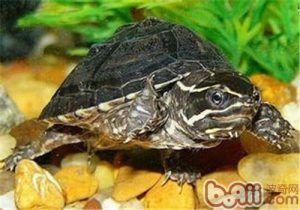
Mud Turtle
The Mud Turtle is not a single species but a group of turtles sharing common traits in body structure or distribution, classified under one family. The family Kinosternidae includes the mud turtles and musk turtles.
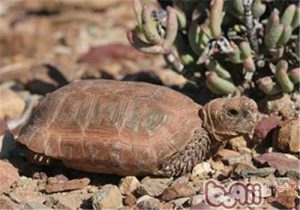
Boulenger’s Cape Tortoise
Boulenger's Cape Tortoise (Homopus boulengeri) is a rare and little-studied tortoise from South Africa's Karoo region, resembling the Speckled Cape Tortoise but slightly larger and reaching up to 13 cm. Few are kept in captivity, and conservation awareness for this species remains limited.
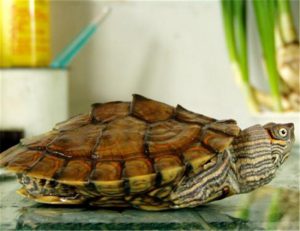
Graptemys pseudogeographica (False Map Turtle)
The false map turtle is a map turtle that is less commonly kept than sliders, needing clean water and a quiet environment. It is omnivorous but especially loves shrimp, and is distinguished by bright yellow markings behind the eyes.
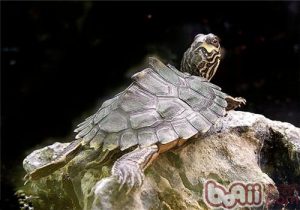
Graptemys pulchra (Alabama Map Turtle)
The Alabama map turtle resembles the red-eared slider in habits, with head striping and a protruding keel. Named for its map-like yellow markings, it feeds mainly on aquatic clams and snails, crushing shells with its hard jaws.
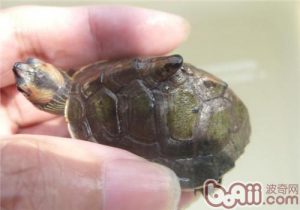
Indian Roofed Turtle
The Indian Roofed Turtle (Kachuga tecta) is one of the more common roofed turtles, recognizable by the distinctive raised black keel on its shell. Native to the rivers of the Indian subcontinent, it is a timid aquatic turtle that can enter hibernation.
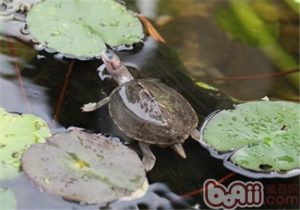
Brown Roofed Turtle
The Brown Roofed Turtle (Pangshura smithii) is a relatively uncommon member of the roofed turtle genus, comprising two subspecies—the nominate Smith's roofed turtle and the white-footed roofed turtle, distinguished by the absence of black markings on its plastron. A semi-aquatic omnivore, it inhabits riverbed mud across the Indian subcontinent and enjoys basking.

Acanthoscurria juruenicola
The Brazilian orange-banded tarantula (Acanthoscurria juruenicola) is native to Brazil and Peru — another large species from Brazil. Overall brown with orange markings at the joints, a deep black carapace, and red hairs on the abdomen, the color combination is striking. Like the Brazilian whiteknee, the spiderlings are almost grey-white and will dig to hide.
How do you change water for goldfish?
Change goldfish water by pre-conditioning new water, matching temperature within 2-3°C, siphoning from the bottom, and replacing 1/3 to 1/4.

How to Prevent Arowana Fright
Arowana fright is common and hard to eliminate entirely, so owners should both prevent it and know how to respond. Give new fish quiet time to adapt, keep tankmate sizes matched, maintain stable warm water, and limit pets/children near the tank; for an already-startled fish, the 'old three' (heat, salt, water change) usually helps.