Search Results
146 results for “tearing”
Is an Occasional Dog Cough a Sign of Heartworm
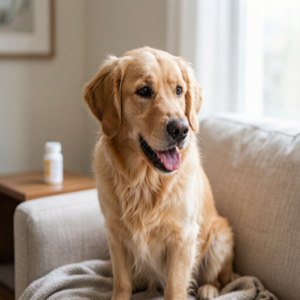
An occasional cough is not automatically heartworm. Coughing has many causes: respiratory infection, parasites, heart disease, allergies, or excitement, and temporary irritation from smoke, dust, or pollen that eases once the trigger is gone. Heartworm does commonly cause coughing, but also brings labored breathing, weight loss, and odd heartbeat. If those appear with the cough, see a vet promptly for diagnosis and care.
Mexican Giant Musk Turtle
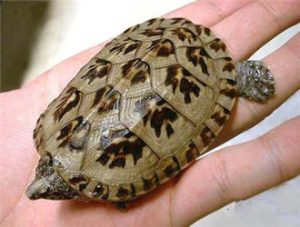
The Mexican Giant Musk Turtle (Staurotypus triporcatus), also called the giant musk or 'Mexican giant egg' turtle, is a highly interactive, intelligent turtle that adapts well to captivity. Not hard to keep, but it is large, aggressive, and relatively expensive.
Eastern Chicken Turtle
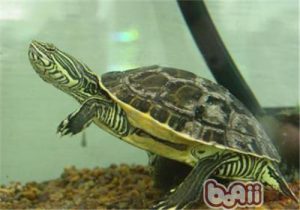
The Eastern Chicken Turtle is uncommon in China, as its plain appearance is not popular, and as a tropical species it is rare in cold regions.

Canine and Feline Globe Prolapse (Eye Protrusion)
Globe prolapse occurs when the eye is forced out of the socket, most often from fighting or blunt trauma and especially in short-nosed breeds. Prompt replacement offers the best chance of saving the eye; badly damaged or infected globes may require surgical removal.

Canine and Feline Glaucoma: Symptoms, Treatment, and Prevention
Glaucoma is raised pressure inside the eye of dogs and cats from blocked fluid drainage, damaging the retina and optic nerve and risking blindness. It is managed with pressure-lowering drugs and, sometimes, surgery.

Canine and Feline Keratitis: Symptoms, Treatment, and Prevention
Keratitis is inflammation of the cornea in dogs and cats from trauma, microbes, or chemicals, causing pain, cloudiness, and ulcers that can threaten sight. Prompt care protects the cornea and preserves vision.

Canine and Feline Blepharitis: Symptoms, Treatment, and Prevention
Blepharitis is inflammation of the eyelid margin in dogs and cats, usually from bacterial or fungal infection of overactive glands, causing redness, crusting, and often conjunctivitis. It is treated by cleaning the lid and controlling infection.
Canine and Feline Ectropion: Symptoms, Treatment, and Prevention
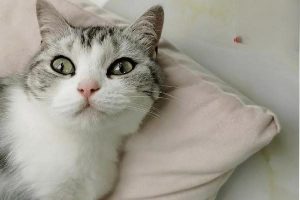
Ectropion is the outward turning of the eyelid—usually the lower lid in dogs—leaving the eye exposed and prone to conjunctivitis and keratitis. Mild cases need eye care; severe cases need surgical correction.

Canine and Feline Entropion: Symptoms, Treatment, and Prevention
Entropion is the inward rolling of the eyelid edge in dogs and cats, making lashes scrape the cornea and cause tearing, conjunctivitis, and ulcers. It is often surgical, especially in breeds like Shar-Pei and Chow Chow.
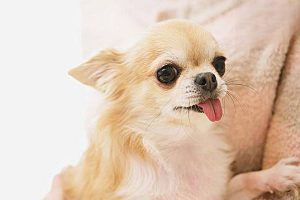
Eyelash Abnormalities in Dogs (Distichiasis, Ectopic Cilia): Symptoms, Treatment, and Care
Eyelash abnormalities in dogs—distichiasis, ectopic cilia, and trichiasis—occur when lashes grow in the wrong place or direction, irritating the cornea. Cats lack eyelashes, so this is a dog-only problem, often needing surgical correction.