Search Results
138 results for “tearing”
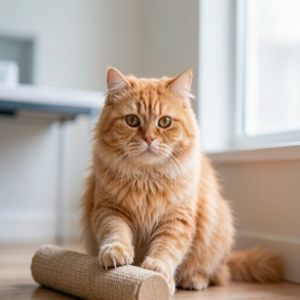
Why Does Your Persian Cat Keep Tearing Up
Persistent tearing in Persian (Exotic) cats can have several causes. Their short nasal passages and shallow eye sockets make mild tearing normal, but blocked tear ducts, structural gland issues, conjunctivitis, keratitis, injury, or foreign particles can all increase eye discharge. Diet also plays a role: salty food and low water intake lead to internal heat and heavy tear staining. If tearing continues or comes with redness, fever, poor appetite, vomiting, or diarrhea, see a veterinarian for diagnosis and treatment.
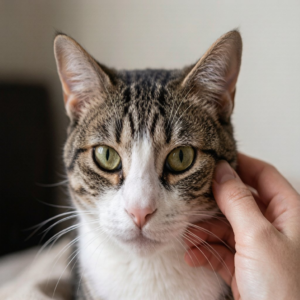
Cat Eye Swelling and Tearing: A Recovery Case
A cat with one swollen, tearing, discharging eye—but no sneezing or runny nose—most likely has a bacterial conjunctivitis rather than a viral one. Ingrown eyelashes or a foreign body can be the trigger. Oral amoxicillin plus antibiotic eye drops, an E-collar, and a dim, clean environment brought clear improvement in a few days. An ingrown lash, though, needs a vet to remove.
Why Does My Rabbit Keep Tearing Up?
Rabbits that constantly tear up may be reacting to simple irritants, eye infections, blocked tear ducts, dental disease, or even congenital eye conditions. Because persistent tearing can signal discomfort or an underlying problem, owners should keep the eye area clean, maintain a hygienic habitat, and ensure a balanced diet. If the tearing worsens or appears with redness, discharge, swelling, or loss of appetite, a veterinary exam is essential. This article covers the common causes and the practical home care steps you can take to keep your rabbit comfortable and healthy.
My dog has a black film over the white of its eye, can’t open it, and is tearing
An abnormal eyeball, inability to open the eye, and tearing may indicate eye infection or corneal injury. See a vet promptly; delaying can worsen the cornea and cause ulcers. Use an Elizabethan collar to stop scratching.
Why is my cat tearing up or have watery eyes?
Causes: irritants, eye disease, odors, allergies, respiratory infection. Flush debris with saline; red or swollen eyes need a vet.
What is the most effective treatment for a tearing cat?
Because tearing has many possible causes, the most effective approach is to first identify the underlying reason, such as heat, allergies, a foreign object, blocked tear ducts, or eye infection. Without a clear cause and with persistent tearing, a veterinary exam is advised so treatment can target the specific diagnosis. This is the reliable way to resolve the problem completely.
What is the most effective way to treat a cat’s watery, tearing eyes?
A cat's tearing can stem from diet, allergies, a foreign object, a blocked tear duct or infection. Find the cause first; if it persists, see a vet for targeted treatment.
What medicine should I use for a cat with red, swollen, tearing eyes that won’t open?
Red, swollen, tearing eyes that won't open in a cat are usually from inflammation or allergy. See a vet first to confirm the cause — treatment differs. Allergies are treated with glucocorticoids; bacterial inflammation is treated with a pet-specific antibacterial anti-inflammatory eye drop.
How do I treat a puppy with tearing eyes?
A puppy's tearing eyes can come from infection, a foreign object, a blocked tear duct, a breed trait, or ingrown eyelashes. Flat-faced breeds like the Pekingese and Shih Tzu are prone to epiphora and tear stains — just wipe discharge often. Rinse with saline or a pet eye wash; if it persists, see a vet.
How should I treat a puppy’s watery, tearing eyes?
Tearing can come from infection, irritants, blocked ducts, breed anatomy, or ingrown lashes; flat-faced breeds like Pekingese and Shih Tzu are prone to unavoidable epiphora, so keep eyes wiped. For sudden onset, rinse with saline or pet eye wash, and see a vet if it persists.