Search Results
123 results for “tail wag”
What makes a dog considered clingy or affectionate?
A clingy dog is strongly attached to its owner and follows them everywhere, showing anxiety, poor appetite, and low energy when separated for long. At home it seeks attention by licking, bringing toys, or barking, and greets you excitedly at the door.
How to know a puppy wants to defecate?
A puppy wanting to defecate looks anxious and tense, sniffing the ground or a corner repeatedly, then circles to adjust posture. It squats or bends its hind legs, lowers its body, and lifts or wags its tail, the typical posture. Puppies usually feel the urge after meals, waking, or drinking; take it to its toilet in advance.
How does a dog show submission?
A submissive dog lies down or shows its belly, flattens ears, wags its tail gently, closes its mouth, lowers its head to avoid eye contact, and stays still near higher-ranked members.
How does a cat show happiness?
A happy cat is relaxed with a high, fast-wagging tail, bright soft eyes, and may rub on you with happy meows, then play and chase toys or invite interaction.
What are the symptoms of indigestion in a leopard tortoise?
Signs include constipation and stopped eating, with tail-wagging, writhing, struggling or squeaking. Long-term indigestion causes thinness and can hurt the liver. Avoid hard-to-digest or excess food and aid gut movement.
How does a dog show happiness?
A happy dog is excited: it wags its tail often, opens its mouth showing tongue and teeth, half-closes eyes like smiling, ears stand forward, and it may stand, relax, jump, or run around.

Miniature Schnauzerterrier
The Miniature Schnauzer, also called the Mini Schnauzer, originated in Bavaria, Germany, from the Standard Schnauzer crossed with small European, Pomeranian and Scottish Terrier breeds. Recognized in 1899, it was used for ratting and is now a friendly, easy-care family companion.

Australian Shepherd
The Australian Shepherd is a strong working dog with herding and guarding ability. A loyal partner with all-weather stamina, it is harmonious, slightly longer than tall, medium-sized, with moderate bone and variable, individualistic color. Focused and lively, supple and agile, muscular but not heavy, with a medium, harsh coat.

Curly-CoatedRetriever
The Curly-Coated Retriever, originally from Britain, takes its name from its curly coat. Independent and calm, it is never shy or self-absorbed. In the show ring it stands firmly and obediently; in the field it is enthusiastic, steady, and brave; at home it is calm and friendly. One of the oldest retrievers, it has remarkable scent and memory.
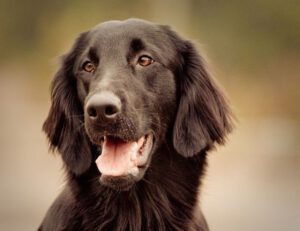
Flat-Coated Retriever
The Flat-Coated Retriever is a versatile 19th-century gundog bred from Labradors and Newfoundlands. Cheerful and friendly, it is an eager, tireless retriever and a gentle family companion.