Search Results
809 results for “tail rot”

What Nutrients Does a Growing Dog Need?
Growing dogs grow fast; meet all nutrient needs to avoid stunted growth. Our team details key nutrients for this stage.
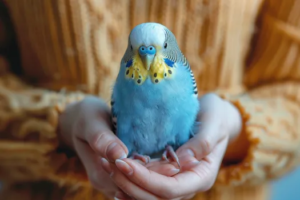
Signs That Your Lovebird Is in Breeding Condition
Lovebirds breed too, so hormonal behavior is normal and not a worry. It is triggered by long light, rich food, rough petting, or nest-like spots, and shows as grumpiness, hip-swaying, regurgitating food, and mating calls.
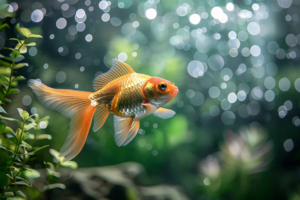
How to Care for Silver Arowana
Silver arowana eat a varied carnivorous diet and need a large tank, filtration, and regular water changes. Here is a stage-by-stage feeding and care guide.

How to Avoid Conflict with Your Cat
Cats show clear warning signs before attacking—puffed fur, thrashing tail, airplane ears, hissing, and wide eyes. Give them space: avoid eye contact, back away, and don't punish. Rule out pain or illness with a vet check if aggression appears suddenly, and use food and calm handling to rebuild trust.

Symptoms and Treatment of Arowana Pinecone Disease
Arowana pinecone disease (raised scales), also called 'arowana cold,' is often triggered by large temperature swings during seasonal changes. Early signs are darkening, rough skin, and scales protruding outward; severe cases show swollen scale sacs with bloody fluid and ascites. Treatment starts with raising the temperature 1–2°C, adding salt (0.6–1%), and partial water changes; medication is added if no improvement.

British Shorthair
The British Shorthair is a compact, powerful, easygoing cat with a round face, dense short coat, and large round eyes. With a history tracing to Roman times, it became a recognized breed in 19th-century Britain and is beloved for its calm, friendly, adaptable nature—an ideal companion that gets along with everyone.
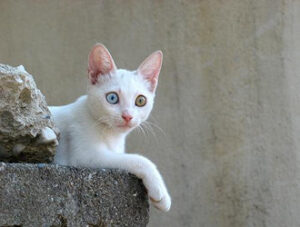
TurkishVan
Turkish Van (details)

Turkish Angora
The Turkish Angora, named for Turkey's capital Ankara, is one of the oldest long-haired breeds, dating to the 16th century. Elegant with silky, medium-length coat and almond eyes, it is agile, independent, and famously fond of water. Once nearly supplanted by the Persian, it was revived in the US from 1963 and is now carefully bred to preserve its pure bloodline.

Chinchilla
The Chinchilla, with the English name Chinchilla, originates from Britain and descends from the Angora and the Persian. Some call it the artificial cat, hinting it was deliberately bred by humans. Notably, the Chinchilla was the first fully human-bred cat, appearing in 1894.

Cornish Rex
The Cornish Rex, English name Cornish Rex, originates from England. Its ancestor is a non-purebred shorthair, dating to 1950, with a childlike, mischievous personality. The breeder mated the first kitten, Kallibunker, with its mother, producing more cats. This is the origin of the Cornish Rex breed.