Search Results
809 results for “tail rot”

Blood Parrot Cichlid
The blood parrot (a man-made cichlid hybrid, also called the God of Wealth fish) is vivid red and chubby, easy to keep, and sensitive to temperature swings. Keep it at 26–27 °C with red-enhancing pellets.

Pyxis planicauda (Malagasy Flat-tailed Tortoise)
The flat-tailed tortoise is found along the west coast of Madagascar, closely resembling the spider tortoise but recognized as a distinct species. It is a shy, mostly herbivorous tortoise that aestivates through the dry season.
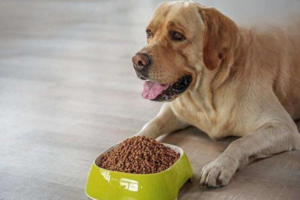
Canine Salmonellosis: A Detailed Overview
Salmonellosis is a bacterial disease in dogs that often strikes puppies and pregnant females, with signs from lethargy to diarrhea and fever. Infected dogs are contagious and must be isolated; diagnosis relies on fecal culture and treatment is supportive with vet-guided antibiotics.

Common Goldfish Diseases and Their Prevention
Common goldfish diseases include white spot (ich), cloudy eye, saprolegniasis, enteritis, fin/tail rot, and dropsy (pinecone disease). Learn these to prevent and lower illness risk. Water quality is the main health factor—keep it clean with regular changes and cleared waste to avoid bacterial growth and infection. Keep temperature steady and oxygen sufficient.

Common Arowana Skin Diseases and Their Prevention
Common arowana skin diseases include scale melting, slime-coat shedding, and fin/tail rot—most stemming from poor water quality. Improve water and add aquarium vitamins for scale melting; use Japanese yellow powder for slime-coat loss; and rely on the 'old three' (heat, salt, water change) or medication for fin/tail rot.
How to treat a fish lying motionless on the bottom on its side?
A fish lying on the bottom on its side may lack oxygen; stop feeding, clean debris, change one-third of the water, and run an air pump. Wrong water temperature or big swings also cause it; keep temperature suitable and it usually recovers in two days. Watch for tail rot, skin sores, scale loss, or gill disease; if worsening, disinfect and treat specifically.

Black Arowana
The Black Arowana is a South American freshwater predator from the Amazon and Guyana, born with two long barbels and flowing fins. Aggressive and best kept alone in a covered tank over 120 cm, it needs 24–28°C soft water and a meaty diet of live foods. Watch for white spot and tail rot.
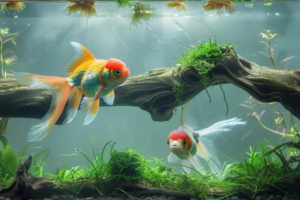
What Are the Causes of Arowana Enteritis?
Enteritis is also common in arowana and hard to fully avoid. Learning causes and treatments of common diseases helps prevention and timely care. Our veterinarian introduces the causes and treatments of arowana enteritis, hoping to help.
How Do I Choose a Chinese Fighting Fish?
At 3 to 4 months the fish should be 3 to 4 cm, at 4 to 8 months 5 to 7 cm; buy smaller-bodied fish. Judge health by activity, responsiveness, and appetite, and check for split tails, rot, or dull color.

Razor-backed Musk Turtle
The Razor-backed Musk Turtle (Sternotherus carinatus), affectionately called the 'razor' or 'little razor,' has a uniquely keeled, roof-like carapace. A common and easy musk turtle, it is active and interactive with keepers.