Search Results
255 results for “sweat”

Understanding Your Dog’s Body Language
A dog's tail, belly, and posture all carry distinct messages, and the same gesture can mean different things depending on the situation. A wagging tail signals either excited play or a warning, while a belly-up pose can express trust, surrender, or stubborn refusal; reading the context is the key to understanding what your dog is really saying.

Why Cats Open Their Mouths When They Sniff
When a cat sniffs something pungent and then freezes with a half-open mouth, it is performing the flehmen response, channeling scent into the vomeronasal organ to analyze it. Common triggers include a queen's urine, catnip, silver vine, and human sweat or feet; the organ also underlies pheromone detection used in mating.

Common Dog Paw Problems and How to Treat Them
A dog's paw is a complex, useful structure — shock absorption, sweating, warmth, digging, self-defense — but its many folds and hairs trap debris, so it easily reddens, inflames, sheds fur, or even ulcers and oozes. The main paw troubles are injuries from sharp objects, cracked pads, bacterial or fungal infection, and eczema. Trim nails, wipe paws after walks, and see a vet for deep or infected wounds.

Why Cats Get Tear Stains and How to Treat Them
Tear stains come from a salty or greasy diet, a blocked tear duct, or an infection like feline herpes. The fix follows the cause — blander food, a duct-opening procedure, or targeted antiviral care with warmth — and routine eye cleaning keeps them away.

What to Do When a Hairless Cat Catches a Cold
Hairless cats have no fur to insulate them, so they catch chills easily—keep a sick cat warm, hydrated, and well-fed, and use heat-clearing or antiviral medication for cold symptoms. If eye discharge, red eyes, or fever appears, the cause may be feline rhinotracheitis and needs prompt veterinary care. Year-round, hairless cats need indoor living, clothing in winter, regular wiping in summer, and a calm, safe environment.

Does Shaving Your Pet Keep It Cool in Summer?
Shaving a cat or dog in summer doesn't cool it down and can do real harm — their few sweat glands sit in the paw pads and tongue, so a bare coat barely helps, while it strips the protection against sunburn, bites, and scratches and can batter a pet's confidence. Only shave for medical reasons like skin disease or surgery.

Is Your Cat Sticking Out Its Tongue Just to Look Cute?
A cat with its tongue out is often just relaxed, grooming, asleep, or born with a short chin that can't hold it in—all harmless. But a tongue that stays out with panting, drooling, bad breath, or lethargy can point to heart or lung disease, heatstroke, or a respiratory infection that needs a vet.

Is It Normal for a Cat to Suddenly Drink More Water?
Cats are built to drink little, so a sudden jump in water intake can signal trouble—hot weather and salty food are benign, but kidney disease and diabetes are the worrying causes. A cat needs about 45–50 ml per kg daily; keep fresh water available and tempt reluctant drinkers with a little broth or food topper.
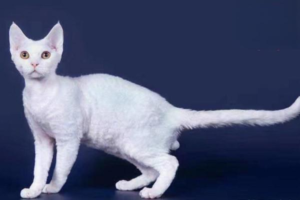
Cold Symptoms and Fever in Sphynx (Hairless) Cats
Sphynx (hairless) cats lack a fur coat and lose heat far more easily, so they catch colds more readily than other breeds. Mild cases with a low fever under 39.5°C can often recover at home with warmth and supportive care, but a cat that won't eat, grows weak, or fails to improve needs prompt veterinary attention.
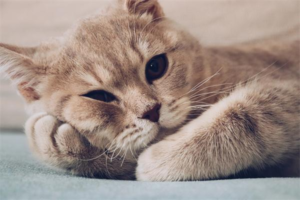
Should a Cat’s Nose Always Be Wet?
A moist nose is normal for a cat, but a dry one is not automatically a problem — low humidity, heat, or just waking from sleep can dry it briefly. Persistent dryness with other signs such as lethargy, sunken skin, or fast breathing may point to dehydration or illness and warrants a closer look.