Search Results
255 results for “sweat”
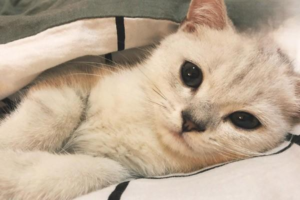
How to Prevent Heatstroke in Cats
Cats can overheat when confined in hot, poorly ventilated spaces; their thermoneutral zone is about 30–36°C, and indoor heat can exceed that. Signs include panting, 'greasy' sweaty paws, drooling, red mucous membranes, and collapse. Prevention is cooling and hydration; severe cases with seizures or coma need urgent veterinary care.

Common Illnesses Dogs Face in Summer
Summer raises a dog's risk of heart trouble, colds, skin pests, gut disease, and heatstroke, with flat-faced and senior dogs most vulnerable. Keep exercise moderate, food fresh, parasites controlled, and never let a dog bake in the heat.
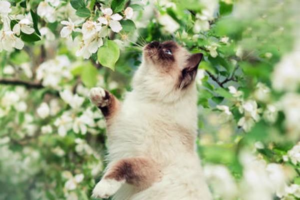
How Weather Affects Your Cat’s Mood and Health
Cats feel weather as keenly as people do, storms, cold, heat, and humidity all shift their mood and health. Watch for heatstroke and hypothermia in extremes, and keep the home between 20 and 25 C with sun, warmth, and steady routine.

Which Smells Worse, Cat Poop or Dog Poop?
Both cat and dog poop can clear a room, but the author still crowns cat as the worse offender. Foul dog stool, though, can signal parasites or low exercise—worth a check.

Is It Normal for a Cat to Sleep on Its Back?
Sleeping on its back is perfectly normal and is one of a cat's many poses; it usually means the cat feels completely safe and trusts its surroundings, since the belly is its most vulnerable spot, and it can also be a way to cool off through the sweat glands on the paws and face. Other common postures — curled up, on the side, or front paws tucked — each signal a different level of relaxation or wariness, so watching how a cat sleeps tells you how secure it feels.

Why Dogs Pant Heavily
Panting is usually a dog's normal way of cooling down — they have almost no sweat glands and rely on rapid breathing to shed heat. But panting with no clear trigger, especially in cold weather, can signal fever, respiratory disease, or other serious illness.

Complete Summer Pet Care Guide
Summer raises five common risks for pets, heart trouble, colds, skin disease, heatstroke, and stomach upset, so manage exercise, cooling, and food hygiene carefully. Keep water available, avoid midday walks, and never leave a pet in a parked car.

What to Do When Your Dog Won’t Eat in Summer
Summer heat saps a dog's appetite for many reasons, illness, stale food, weather, mood, or estrus, so cool it down before worrying. Bathing, AC, and shade help, but avoid overcooling and never shave a healthy coat, which raises skin risks.

Why Dogs Pant with Their Tongues Out in Summer
Dogs can't sweat except through their tongues, so panting is how they dump heat — and flat-faced breeds overheat fastest. Heatstroke is lethal within minutes, so cool a overheating dog with lukewarm water and rush to the vet.
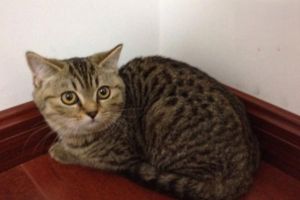
Can Cats Get a Fever?
Yes, cats do get fevers, though their naturally higher body temperature makes it hard to spot. Watch for a dry, hot nose, warm ears and tail tip, lethargy, and heavy drinking, and confirm with a rectal thermometer reading.