Search Results
324 results for “supportive care”

Dog CoQ10: Test Data Beats the Hype
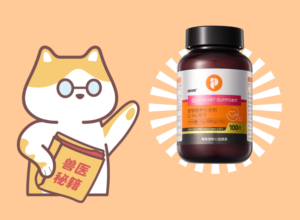
CoQ10 is a supplement, not a drug — it fuels the heart, fights oxidation, and slows myocardial aging, but it cannot replace medication for heart disease. For an 8-year-old dog that pants on walks and coughs at night, the first step is a vet, not a bottle. There is no single 'most reliable' brand, but a few practical checks separate a working product from an expensive guess. This guide lays them out.

When Your Pet’s Heart Is Weak: CoQ10 as Part of the Plan
Heart problems are the quiet killers of pet health — by the time a dog pants after a short walk, coughs at night, breathes from the belly, or shows purple gums, heart failure may already be mid-stage and medication-only. CoQ10 is not a cure, but it is far from a placebo: it powers heart contraction, acts as a strong antioxidant, and declines with age. This guide covers the warning signs, the breeds at risk, and how CoQ10 fits into a real care plan.
Dog CoQ10 for Seniors and Small Breeds: A Value-Minded Guide
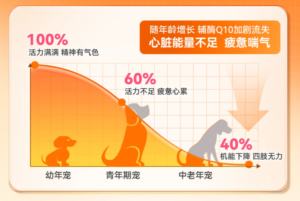
If your dog tires after a few steps, pants often, sleeps longer, or coughs at night, that is not laziness — it is the heart asking for help. Canine heart-disease risk climbs steeply with age (about 10% at 5–8 years, 30% at 8–10, and 45% past 13), which is why CoQ10 is a staple for senior and small-breed care. This guide explains how to judge real value instead of falling for 'cheap' placebos or overpriced imports.

Dog CoQ10 and the Mislabeling Trap: How to Pick a Real One
CoQ10 powers heart contraction, clears free radicals, and slows cardiac aging, so it is a staple for senior dogs and breeds prone to valve disease and enlargement. But without enough actual CoQ10 in the dose, you pay and gain nothing. This guide explains why dose is the bottom line, how brands obscure content, why human CoQ10 is dangerous for dogs, and the three checks that separate a real product from a placebo.
Choosing a Pet CoQ10: Skip the Hype, Pick What Works
As pets reach middle and old age, heart care becomes unavoidable — especially for overweight cats and dogs and for breeds prone to heart disease such as Siamese and Ragdoll cats, Toy Poodles, Pomeranians, and Cavalier King Charles Spaniels. CoQ10 is a core heart nutrient and appears in veterinary cardiac plans, but the crowded market makes choosing hard. This guide explains what CoQ10 does and the three points that separate a working product from a hype-driven one.

How to Tell If Your Dog Has Canine Distemper
Canine distemper is a highly contagious, often fatal viral disease. Watch for fever around 40°C or higher, cough, runny nose, vomiting, diarrhea, lethargy, and red swollen eyes. These signs overlap with a common cold, but distemper brings higher fever, lost appetite, cough, eye discharge, and labored breathing, while a cold usually does not. If you suspect distemper, isolate the dog at once and see a vet; treatment uses antivirals, antibiotics, and nutritional support, and early care greatly improves the odds. Vaccination remains the best prevention.

Canine and Feline Brain Tumors
Brain tumors in dogs and cats are most often meningeal or glial tumors that appear in middle-aged to older pets, with some breeds such as Boxers and Bulldogs overrepresented. They compress brain tissue and cause gradually worsening neurological signs including behavior changes, circling, head tilt, blindness, and seizures.
Canine and Feline Hemangioma and Hemangiosarcoma
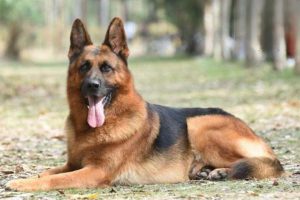
Hemangiomas are slow-growing benign tumors of blood vessels, while hemangiosarcomas are aggressive malignant vascular tumors that often spread before signs appear. Common sites include the skin, spleen, liver, heart, and bone, with large breeds such as Great Danes, Boxers, and German Shepherds overrepresented.

Multiple Myeloma in Dogs and Cats
Multiple myeloma is a malignant plasma-cell tumor of the bone marrow that overproduces immunoglobulin and is rare in dogs and cats. Signs include lameness, bone pain, anemia, bleeding, and weakness, with diagnosis by X-rays, bloodwork, and marrow sampling. Treatment is chemotherapy plus infection control.
Can Povidone-Iodine Cure Cat Ringworm?
Povidone-iodine has broad antimicrobial action but does not reliably kill the fungi that cause ringworm, so it is only a supportive measure. True antifungals, either topical or veterinary-directed oral azole medication for severe cases, remain the main treatment.