Search Results
324 results for “supportive care”

How Long Does a Hamster Cold Last?
A hamster cold usually lasts about three to five days, but the exact time depends on the individual, how severe the illness is, and the treatment given. Mild cases can recover in one to two days, while severe ones take longer. Signs resemble human colds: sneezing, runny nose, coughing, and reduced appetite, with the hamster becoming quiet and inactive. Keep the animal warm and hydrated and see a veterinarian promptly for proper care.

What Is Canine Botulism
Canine botulism is an acute, often fatal poisoning that occurs when a dog eats the toxin produced by Clostridium botulinum - usually in rotting carcasses or contaminated food and water. It mostly strikes in summer, with signs appearing just hours later. The classic picture is a progressive, symmetrical paralysis that creeps from the hind legs forward while the dog stays alert with a normal temperature; severe cases end in breathing failure. Diagnosis depends on finding the toxin in food, tissue, or blood, and treatment combines antitoxin with washing out the gut. The simplest defense is never feeding spoiled meat and boiling feed before use.

Why Your Cat’s Diarrhea Persists Despite Probiotics
It is a common story: your cat has soft stool or diarrhea, you reach for a probiotic, and the problem does not go away. Probiotics can help the gut, but they are not a cure for every loose stool, and not every product on the shelf is what it claims to be. Understanding why they sometimes fail points you toward the real fix.

How to Prevent Respiratory Infections in Dogs in Winter
Respiratory disease peaks in winter and during seasonal changes, and is the most common problem seen in clinics. By site it splits into upper respiratory tract (URT) and lower respiratory tract (LRT) infection. URT is mostly viral with secondary bacteria and causes nasal discharge, sneezing, and nosebleeds; LRT is mainly bacterial and brings cough and breathing trouble. Diagnosis separates viral from bacterial with blood work and chest X-rays, and treatment uses vaccines, antivirals, and antibiotics such as doxycycline and enrofloxacin, plus cough and fever control.

Can a Cat Get Feline Distemper for No Reason?
Feline distemper, or panleukopenia, sounds terrifying, and for a kitten it can be life-threatening. The good news is a cat cannot catch it from nothing — it is a contact-transmitted virus, so infection only happens after exposure. Even an indoor cat that never goes outside can be infected if the virus is already in the home or is carried in on a person's hands, clothes, or shoes. Understanding how the virus spreads is the key to protecting your cat, and the defense rests on three pillars: vaccination, avoiding contact, and regular disinfection.

What Are the Symptoms of Canine Coronavirus?
Canine coronavirus is a fast-spreading intestinal virus that looks a lot like parvovirus. Infected dogs become lethargic and lose their appetite, then develop persistent vomiting and foul-smelling, watery diarrhea that may carry a little blood—often in recurring bouts. Puppies are especially vulnerable, while adult dogs usually recover. There is no specific cure; treatment is supportive (fluids, anti-emetics, gut protectants, and a recovery diet), and prevention through vaccination and good hygiene is the most reliable defense.

Feline Panleukopenia: How Fast Is It Fatal?
Panleukopenia is a deadly, highly contagious viral disease that attacks the gut and bone marrow. Unvaccinated kittens under a year often die within 2–4 days if untreated; unvaccinated adults usually within 5–7 days, some lasting around 10. Vaccinated cats rarely die. Early care lifts kitten survival above 50% and adults above 80%—and surviving one week usually means recovery. Prevention through vaccination beats treatment every time.
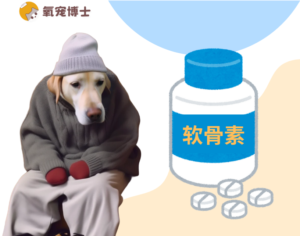
What Is Chondroitin for Dogs, and Who Needs It?
Chondroitin, or chondroitin sulfate, is a natural compound in cartilage that feeds joint cells, locks in joint fluid, and calms inflammation. Healthy young dogs get enough from food, but seniors, large breeds, dogs with joint-prone genetics, the obese, and hard-working dogs benefit from supplements—ideally paired with glucosamine and omega-3. It supports, not replaces, veterinary care for real joint pain.

How Deadly Is Canine Parvovirus? It Comes Down to Three Factors
Canine parvovirus is a highly contagious disease that can kill, but the outcome is far from fixed. Survival depends largely on the virus strain, the dog's age and immune status, and how quickly treatment begins. While reported mortality ranges from around 10% to 80%, prompt veterinary care can push survival above 70%. Understanding the risk factors and acting fast makes the single biggest difference for a sick dog.

How Is Dog Intestinal Obstruction Treated?
Intestinal obstruction splits into complete and partial forms; complete blockage is more dangerous, risking gut death, perforation, and shock, while partial cases start mild but can become complete if ignored, so treat early either way. Diagnosis uses abdominal X-ray or ultrasound to see gas, fluid, and the object. Treatment usually means surgery to remove the blockage, with partial or stable cases sometimes starting on fluids and support first; tumors or severe damage may require removing part of the bowel. Most dogs recover with prompt care, but delay can be fatal.