Search Results
175 results for “sudden death cat”

Foods You Should Never Feed Your Cat
Cat food is the safer choice over table scraps because it is balanced for a cat's needs, while homemade meals are hard to get nutritionally right. Some human foods are downright dangerous for cats. Allium vegetables - onion, scallion, garlic, leek - cause vomiting, diarrhea, anemia, and bloody urine, and the toxins survive cooking; avocado brings similar dangers and can be fatal. Chocolate causes diarrhea and vomiting and, in quantity, sudden death. Raw eggs can trigger diarrhea, skin, and eye problems (cooked is fine); shellfish can cause skin disease; and dog food lacks taurine, so long-term feeding leads to taurine deficiency. Milk and fish are okay in small amounts, but go easy on high-magnesium dried seafood to avoid stones.

When Cat Peeing Around the House Means a Blockage
A cat suddenly urinating in odd places can signal a dangerous urinary blockage. Warning signs: pink or clear urine, frequent attempts, straining, blood, low meowing in the box, over-grooming the genitals, a sensitive belly, and only drops when the bladder is pressed. Blockage means urine output stops - under 1 mg/kg/hr is oliguria, none is a blockage. Causes: urethral or bladder stones (acid urine favors calcium oxalate, alkaline favors struvite), lower urinary tract syndrome (bacterial cystitis, urethral plugs that can kill in 1-2 days, or idiopathic cystitis that self-heals in 7-14 days if not blocked). A full blockage needs immediate vet catheterization - over 24 hours causes acute kidney failure. Prevent with more water, fewer mineral treats like dried fish, clean litter, and less stress.

Preventing Common Spring Cat Diseases
Spring raises two risks. Urinary disease peaks in damp weather, driven by low exercise and water intake; watch for straining and act fast to avoid acute kidney failure. Colds strike with big day-night temperature swings; keep cats warm, dry, and sheltered from drafts, and seek care if they refuse food with a high fever.
Should You Shave Your Cat’s Fur?
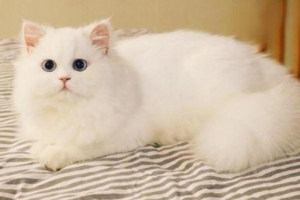
When summer heat arrives or shedding season peaks, many owners wonder whether to shave their cat. In short, healthy cats do not need shaving, and doing it can actually cause harm. Shaving should be reserved for genuine medical needs such as skin disease. This article explains why shaving won't cool your cat and the real risks it brings.

Common Everyday Cat Illnesses (Part 2)
Five more common cat conditions: (1) Panleukopenia (feline distemper) — a fierce, contagious viral disease hitting gut and airways; fever, bloody diarrhea, lethargy, dehydration; high death rate in under-8-week kittens, so vaccinate and rush to a vet at the first sign (lice, mites, fleas can spread it). (2) Cancer — rarer than in dogs but cats hide pain; watch for lumps, non-healing skin infections, weight loss, vomiting, odd urination. (3) Kidney disease — common in seniors; low appetite, weight drop, vomiting, lethargy; needs dialysis or transplant when severe. (4) Fractures — from falls; sudden limping or hiding. (5) Poisoning — from human food or toxic plants; repeated vomiting/diarrhea, blood in stool/urine; vets give fluids and anti-emetics. Don't rely on self-healing—use a trusted clinic.
Common Plants That Are Toxic to Cats
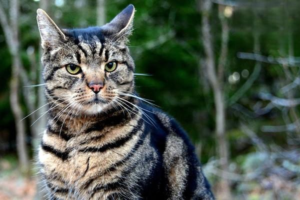
If you share your home with a cat, it is safest to skip houseplants, because most are toxic to cats. This guide lists common dangerous plants: lilies (every part is dangerous), lily-of-the-valley (roots are deadly), ivy (leaves and stems irritate the mouth and kidneys), azalea (gastrointestinal and pneumonia risk), daffodils (the whole plant is toxic and can cause convulsions), and poinsettia (burns the mouth and eyes). If your cat eats any toxic plant, get it to a vet immediately. Keep plants out of reach, separate them from your cat, and watch for chew marks.

Common Genetic Diseases in Ragdoll Cats
Ragdolls are prone to two inherited diseases: hypertrophic cardiomyopathy, where the heart wall thickens and can cause sudden cardiac death, and polycystic kidney disease, where fluid cysts enlarge the kidneys. HCM peaks at four to eight years and affects about 6 percent of the breed; PKD strikes at three to ten and is avoided if both parents test clear. Neither can be cured, only managed with care, kidney-support diets and vet-guided mineral supplements, so DNA testing and routine prevention matter.
Which human medications can kill a dog quickly?
Several human medications are toxic enough to kill a dog at sufficient dose. Acetaminophen cold medicines can cause liver necrosis, vomiting, rapid breathing, and abdominal pain, fatal if untreated; caffeine- and pseudoephedrine-containing drugs can trigger racing heart and seizures. NSAIDs (ibuprofen, aspirin), benzodiazepine sleep aids, and strychnine-containing herbal medicines can also cause sudden death.

Tendonitis in Dogs and Cats: Symptoms, Treatment, and Prevention
Tendonitis is inflammation of a tendon, either aseptic (from strain or overuse) or suppurative (from infection), causing sudden lameness, heat, swelling, and pain that worsens on stretching. Chronic cases thicken the tendon and may lead to atrophy; treatment controls inflammation, eases pain, and prevents tendon shrinkage.

Osteomyelitis in Dogs and Cats
Osteomyelitis is infection and inflammation of bone and marrow, usually from bacteria entering through an open fracture, wound, or the bloodstream. It causes fever, pain, and lameness, and can lead to sepsis if untreated. Long-term antimicrobials and, sometimes, surgery are needed.