Search Results
175 results for “sudden death cat”

Why Must Cats Fast Before Surgery?
Cats must fast before surgery so that food or water in the stomach cannot be inhaled into the airway under anesthesia, which could cause choking or death. After surgery, keep them warm and quiet, watch food and water, care for the wound, and limit activity.
What are the causes of hamster death?
Many die of old age since lifespans are short; some die from sudden fright causing heart arrest. Housing multiple solitary hamsters together causes fights; poor diet hygiene causes disease.
Thinking About Getting an Exotic Shorthair (Garfield Cat)? Read This First
The Exotic Shorthair is a gentle, quiet breed, but it comes with real health trade-offs: tear-stained eyes from narrow tear ducts, brachycephalic breathing trouble, a sensitive 'glass' stomach, and genetic risks like polycystic kidney disease. Make sure you have the time, energy, and budget before bringing one home.
How many days until a cat with panleukopenia (feline distemper) dies?
Death timing depends on the form. The most acute form can kill with no symptoms; acute form may kill within 24 hours; subacute lasts about 7 days. The incubation is 2 to 9 days, and signs vary with age and virus strength. Young cats usually get the acute or most-acute form and often die suddenly or show spinal ataxia.
What are the symptoms of a scared cat?
A scared cat may flee, hide, tremble; stress can add vomiting, low appetite, lethargy, even loss of bladder or bowel control. Cats are timid — sudden noises frighten them; frequent scolding or hitting causes stress. Severe stress needs a vet to avoid death.
What does a cat’s stress reaction mean?
Cat stress is the body's response to fright: initial tension followed by an immunity drop that can cause serious illness. Avoid frightening cats and comfort them through changes.
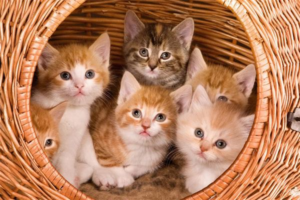
Why Do Mother Cats Get Postpartum Depression?
Postpartum depression in cats has many causes — hormonal shifts as well as environmental and personal factors. After birth, give the mother a quiet, stable environment with enough rest and affection to prevent it. If symptoms appear, get veterinary help promptly so she recovers.

Are Timid Cats More Prone to Stress?
Timid cats really do stress more easily, spooking at small noises or changes like a stranger visiting or rearranged furniture, and a stress response can range from hiding to vomiting, diarrhea, fast breathing, or even urinary blockage and, in extreme cases, death. Stress is a physical and mental reaction that puts the body on alert and, if prolonged, can damage organs or cause sudden collapse. Timid cats tend to be emotionally rich and very sensitive to environment change, so the fix is a stable, quiet home with few surprises, plus gradual socialization to build confidence. After a stress episode, give space and only comfort once calm; seek a vet if signs are severe or persist.
Smells Cats Hate Most (and Why They Matter)
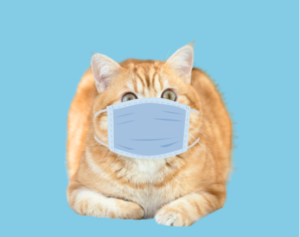
A cat's nose is far sharper than ours, so scents we find fresh can be 'chemical weapons' to them. Most cats hate high-menthol products (white flower oil, cooling balms), citrus peels (limonene and linalool irritate their scent nerves and the plants are mildly toxic), and perfumes. They also reject other cats' smells—a stranger's scent can trigger defensive puffing and hissing. Alliums, camphor products, and vinegar round out the list, while secondhand smoke's 7,000-plus chemicals threaten a small cat's lungs far more than a human's. Keep these away from your cat.
Cat Food Ingredients to Avoid, No Matter How Cheap
Not all cat food is created equal, and the ingredient list is the single most reliable way to judge quality. Some products hide preservatives, flavor enhancers, and fillers that can harm your cat over time — from potential carcinogens like BHA, BHT, ethoxyquin, and TBHQ to appetite stimulants such as MSG and pyrophosphate. Other risky additives include propylene glycol, nitrites, synthetic vitamin K3, and thickening gums, while artificial colors and sweeteners add sugar and nothing of value. Because cats are obligate carnivores, diets overloaded with corn, wheat, or soy not only lack nutrition but may trigger allergies and even aflatoxin exposure. Learning to read the label helps you protect your cat from low-grade food, no matter how attractive the price.