Search Results
181 results for “stress triggers”
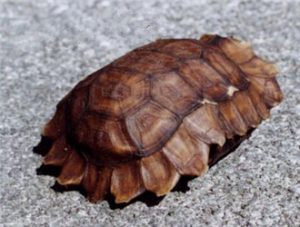
Forest Hinge-back Tortoise
The African hinge-back tortoise (Kinixys erosa), also called the forest hinge-back, is one of the most prized hinge-back tortoises from Africa. It can fold the rear of its carapace — a unique defense and breathing aid — and demands high humidity and experienced care.
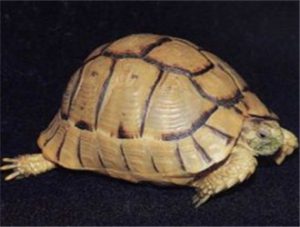
Egyptian Tortoise
The Egyptian Tortoise (Testudo kleinmanni) is the smallest tortoise in the Northern Hemisphere and the most fragile, hardest-to-keep Mediterranean tortoise. Tiny changes in environment or diet can cause stress death; do not mix it with other turtles.

Parrotfish
The parrotfish (family Scaridae) is a brilliantly colored marine reef fish named for its beak-like mouth; adults reach 1.2 m. It likes warm, soft, acidic water and well-oxygenated tanks, and at night spins a mucus 'cocoon'.

Bichon Frise: Health and Care Considerations Before You Adopt
The Bichon Frise is a gentle, low-shedding companion dog, but prospective owners should know its common care needs: pronounced tear staining from shallow tear ducts, a coat that mats and pulls the skin, separation anxiety, a sensitive stomach, and dental issues. Meeting these needs keeps the dog healthy.

Glycogen Storage Disease in Dogs and Cats
Glycogen storage disease is an inherited metabolic disorder in which a congenital lack of glycogen-splitting enzymes lets glycogen accumulate in the liver, kidneys, and central nervous system. It causes persistent low blood sugar with weakness, seizures, and incontinence, and needs prompt veterinary care to avoid irreversible brain damage.

Heart Failure in Dogs and Cats
Heart failure is the syndrome in which a weakened heart cannot pump enough blood, causing congestion and poor tissue supply. It may follow severe infection, toxicity, kidney disease, or sudden exertion, and shows as breathlessness, weakness, and fluid buildup. Treatment eases the heart's workload and supports circulation.

Nephrotic Syndrome in Dogs and Cats
Nephrotic syndrome is a non-inflammatory kidney disorder centered on the filtering units, marked by protein in the urine, edema, low blood protein, and high blood lipids. Management improves nutrition, reduces fluid buildup, and controls inflammation and the immune reaction.

Laryngitis in Dogs and Cats: Symptoms, Treatment, and Prevention
Laryngitis is inflammation of the larynx causing a harsh cough, throat pain, and difficulty swallowing. It may follow infection, irritation, or inhaled objects, and is treated by removing the cause and easing coughing and inflammation.

Feline Calicivirus Infection: Symptoms and Treatment
Feline calicivirus is a common viral cause of upper-respiratory and oral disease in cats, marked by fever, mouth ulcers, and runny nose. It spreads easily and causes high illness rates, but deaths are uncommon except in very young kittens.

Common External Diseases in Parrots
Parrots kept in captivity are especially prone to external conditions such as skin tumors, feather-plucking (self-mutilation), and scaly-face mite infestation. Understanding their causes, symptoms, and treatments helps you prevent them and act quickly if they appear.