Search Results
328 results for “stray cat”

Why Are Some Stray Cats Friendly
A cat's personality is shaped by genes and environment. Strays face hardship and stay alert, yet some warm up to people — often because they were treated kindly, were once someone's pet, or are simply born sociable. Treat all strays with care.

Feral vs. Stray Cat: How to Tell Them Apart
Many people mix up feral and stray cats, but they differ in history, behavior, looks, bond with people, and adaptability. A stray was once a pet, abandoned or lost, and lives near homes and people, so it often trusts humans and approaches for food. A feral cat was born and raised wild with little human contact, stays far from neighborhoods, hunts on its own, and is wary or aggressive toward people. Appearance alone is unreliable, both can look thin with rough coats, but strays may seem more eager to return to a home. Because ferals are hard to tame and can be aggressive, approach or adopt them with caution.
What Does It Mean When a Stray Cat Rubs Against You?
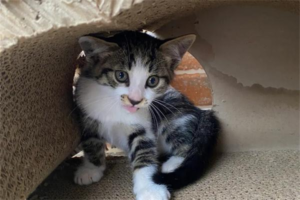
A stray cat rubbing on you usually signals affection and trust — but it may also be seeking food, help, a home, or even 'claiming' you. Strays lack steady food, so they approach friendly people for a meal. Some were once pets and still hope to be adopted. Stay cautious: keep distance to avoid bites, watch for illness, and if you take one in, get a vet check, vaccines, and deworming.
What does it mean when a stray cat approaches and befriends you?
A stray cat approaching you is not an omen but a sign you seem safe and gentle. It may be hungry, unwell, comforted by your scent, or simply itchy and wanting a scratch.

How to Tell If a Stray Cat Wants an Owner
To judge whether a stray cat wants a home, watch its behavior: a cat that approaches you, rolls over, shows its belly, or eats eagerly from your hand likely wants a bond; one that flees or refuses food is wary and harder to tame. Win trust with regular feeding, a calm voice, and patience.

Why Do Stray Cats Keep Meowing?
A stray cat may yowl constantly due to heat, injury or illness, fear, loneliness, or hunger and thirst. If the noise disturbs neighbors, try to learn the cause and help — but never harm the cat; respect its life and space.
What does it mean when a stray cat follows you?
A stray cat following you is simply seeking help when hungry or unwell, not an omen. Cats have no mystical powers, so do not read luck into the encounter.

Health Checks to Do After Rescuing a Stray Cat
Before a stray cat joins your home, a veterinary check-up protects the cat, any resident pets, and your family. Strays can carry parasites, skin disease, or hidden infections, so a targeted exam is worth the cost. Core tests include a physical exam, infectious-disease screening (panleukopenia, coronavirus, calicivirus, herpesvirus; add FIV and FeLV if you have other cats), a fecal exam for internal parasites, and a blood count to flag anemia, inflammation, or dehydration. Imaging or a Toxoplasma test may be added for specific risks. To keep costs down, ask clinics about rescue discounts, look for packaged wellness plans, and have the vet handle basic grooming during the visit. Always isolate the new cat for 7–14 days, deflea and deworm, then start vaccines once it has settled in.
Why Is This Stray Cat Not Eating or Drinking?
From the photo the cat may have calicivirus, but one photo cannot confirm it. Take it to a vet; if calicivirus is confirmed, give antiviral and symptomatic care (interferon, antibiotics) plus nutrition to boost immunity.
My pet bird was scratched by a stray cat and has a wound on its back. What should I do?
For a bird scratched by a cat, treatment depends on the wound's size and depth. Small, shallow wounds can be cleaned with saline and treated with an antiseptic; large or deep wounds need brief bleeding control followed by prompt veterinary care, since cat scratches carry a high infection risk.