Search Results
328 results for “stray cat”

What to Know Before Adopting a Stray Cat
Before adopting, be sure you can commit to the cat for life—time, money, and vet care included. Prepare litter box, food, and bowls; once it settles, get a full checkup, vaccines, and deworming. Don't bathe it right away, and keep toxic plants and chemicals away.
How to adopt a stray cat?
Do not take it home at once; feed it outside a few times and if it is friendly, then adopt. Before bringing home, vet-check for parasites and disease. At home, do not disturb it at first; let it adjust, and after 2-3 days if settled, slowly bond.

What Is a Stray Cat’s Life Like?
Stray cats have no steady food or safe shelter from wind and rain. They face nature, predators, and conflict with other cats — life is harsh, yet their resilience earns respect. Even if you cannot help, please do not harm them.
My office stray cat had 3 kittens (~2 months, weaned). I moved one to another room briefly; when returned the mother and the other two now reject it — why?
Two reasons: the kitten picked up unfamiliar human smells (mother may reject or, rarely, harm it), or the mother is culling the weak one to save milk. Rub the mother's secretions (milk) on the kitten, avoid bare-hand contact, and bottle-feed it goat-milk formula if she won't.

What to Do After Adopting a Stray Cat
After adopting a stray cat, take it for a full vet check, then deworm and vaccinate it. Prepare supplies and a safe home, bathe only after it has settled in, and quarantine it from resident cats. These steps help your stray stay healthy and adjust.
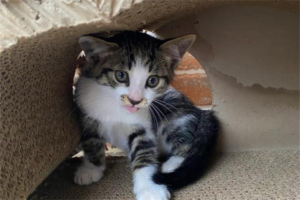
Do Stray Cats Recognize the People Who Feed Them?
Stray cats recognize their feeders through sight, smell, and sound. They remember a person's appearance, voice, and scent after repeated, kind contact, and can grow emotionally attached. Feed gently from a distance — but avoid fixed-spot feeding, which erodes their survival skills.

Why Feeding Stray Cats Can Do More Harm Than Good
Feeding strays at a fixed spot can backfire: it draws crowds that may attract cruelty, fuels unneutered breeding, and erodes the cats' wild survival skills. It can also disturb neighbors. Feed irregularly and keep your distance, or better yet adopt or arrange neutering.

Why Do Stray Cats Fight Each Other?
Stray cats most often fight to defend territory, compete for food and water, or win mating rights. Fights also establish social rank and can flare up between cats with clashing temperaments. While rarely fatal, injuries and infection are real risks rooted in the daily struggle to survive.
Why shouldn’t you keep a stray cat you found?
Stray cats may carry parasites and infectious diseases that can spread to humans, and tend to be wary and aggressive. Many are used to the wild and may become depressed if confined. If the cat is friendly, quarantine and vet-check it first, then deworm and vaccinate before free roaming.
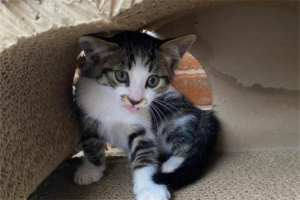
Common Causes of Death in Stray Cats
Stray cats die from cars, fights with dogs, starvation, abuse, poisoning, and disease. Harsh living, no steady food, and weak immunity make illness often fatal, especially in winter and for newborn kittens. Don't abandon pets, and don't add to their struggle.