Search Results
2137 results for “stool color”

Cat Acute Diarrhea: Symptoms and Treatment
Diarrhea is caused by excess water in the stool and is an important sign of intestinal disease in cats. It can affect your cat through severe fluid loss, leading to dehydration, electrolyte imbalance or acid-base disturbance.

Dog Heartworm: Symptoms and Treatment
Canine Heartworm Disease is a fatal threat; mosquito-borne thread parasite in heart/pulmonary artery, up to 30 cm, lives 5-7 years. Severely harms heart/vessels, causes cardiopulmonary dysfunction, death if untreated - top hidden killer!

How to Choose a Cat Scratching Post
Today Oxygen Pet Doctor teaches how to choose a cat scratching post. 14 points summarized.
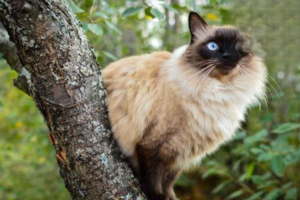
Signs Your Cat Is Sick
Cats can't speak, so observing daily details matters! Catch problems early, nip disease at the start~

Causes and Management of Diarrhea in Cats
Diarrhea in cats at home is something most owners have experienced.

How to Simply Judge Dog Food Quality
I can't test it myself. Is there a simple way to tell good from bad dog food? This issue teaches some simple methods.

Dog Tapeworm Infection: Treatment and Prevention
Tapeworm infection happens when a dog swallows an infected flea or louse. Most dogs show no symptoms, but diagnosis is by finding segments or eggs in stool. Treatment uses praziquantel-type drugs, and strict flea control prevents reinfection.
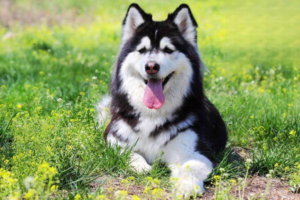
What Causes Diarrhea in Dogs
In our daily life, dog diarrhea is common. There are many causes; owners must not take it lightly, because diarrhea may signal other diseases, so find the specific cause for correct treatment. So how do dogs get diarrhea?

Dog Diarrhea: Causes and Treatment
Healthy dogs pass firm, brown stools one to two times a day. Diarrhea — loose, watery, or bloody stools with a strong odor — signals an underlying problem. Causes range from mild dietary upset to infections, parasites, IBD, and other diseases, so persistent or severe cases need a vet.

Understanding Your Cat’s Daily Behaviors
Cats repeat five core activities every day: eating, grooming, sleeping, patrolling and hunting. Knowing why they do these helps you read your cat better and meet its needs for a happy, healthy life.