Search Results
2137 results for “stool color”
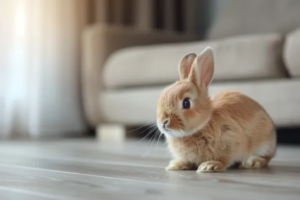
How Owners Can Help a Rabbit With Diarrhea
Rabbit diarrhea usually traces to diet — too much water or too little fiber, parasites, or stress — and young rabbits are vulnerable. Withhold greens and fast briefly with hay and water for mild cases, but seek a vet at once for blood, mucus, fever, or lethargy.
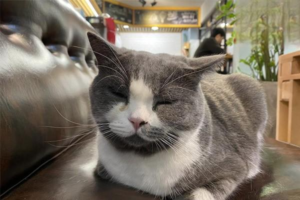
Telling a Cat Cold Apart from Feline Panleukopenia (Distemper)
A simple cat cold brings sneezing, runny nose, and a mild fever that often resolves in a few days. Feline panleukopenia (distemper) is far more dangerous: a high fever of 40–41°C, repeated vomiting of yellow bile, and bloody, foul-smelling diarrhea. Any sudden high fever should be treated as an emergency and checked by a vet immediately.

Cat Hairballs vs. Asthma: Symptoms and Treatment
A hairball causes dry heaves and constipation from swallowed fur, eased with a hairball paste; feline asthma brings neck-extended, open-mouthed wheezing needing oxygen and bronchodilators. The two look alike but asthma is an emergency — keep the cat calm and see a vet.

Why a Dog Has Diarrhea and Foul-Smelling Gas
Stinky gas and diarrhea usually mean the gut can't digest something — beans, pasta, or too much rich protein ferments into smelly ammonia. Rule out parvovirus in puppies and pancreatitis in adults, skip milk (lactose), and feed easy-to-digest food plus probiotics.

Early Signs of Distemper and Early Treatment
Early distemper is easy to miss — a 40°C fever that dips like a 'cured' cold, then poor appetite, red swollen eyes, and later diarrhea or bloody stool. Improving spirit and appetite signal recovery; spot it early and treat, since late nervous signs are hard to reverse.

Chinchilla Buying Guide and Preparations for New Owners
Choosing a chinchilla comes down to appearance, temperament, health, and age — a thick soft coat, rounded face, clear eyes, dry nose, clean teeth, and a minimum of 3 months old are the signs to look for. Before bringing one home, set up a multi-level cage, cooling for hot weather, chinchilla dust for baths, proper pellets and hay, and a quiet night-time spot.
Why Does My Dog Get Diarrhea After a Food Change?
Diarrhea after switching food usually means the change was too abrupt, not that the new food is bad — a dog's gut adapts poorly to sudden new ingredients. Stop the new food, return to the old diet with probiotics until stools firm up, then transition over seven days by mixing in gradually larger shares of the new food.
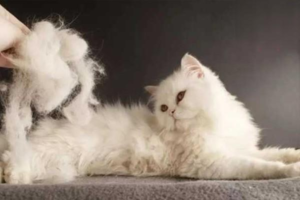
Can Cat Hair Get Into Your Lungs?
Cat hair almost never reaches human lungs — the airway's four filters (nose hairs, turbinates, cilia, and mucus) block anything as large as a hair, so the '100,000 hairs a year' claim is a myth. A little may be swallowed with food, but it passes in stool; the real hairball risk is the cat's own, so groom it and use a hairball remedy.

Is It Serious if My Cat Hasn’t Pooped in 2 Days, and What Should I Do?
A cat that skips two days of defecation usually has a gut problem — megacolon, nerve damage, or a rectal blockage. Try lactulose or probiotics with soft food first; if nothing moves, see a vet. Constipation shows as straining with little hard, foul stool early on, and distress with no output and a swollen belly later, and it is mostly driven by too little water and too little exercise.
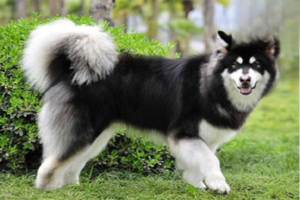
Why Does My Dog’s Poop Smell So Bad?
Dog stool is naturally a little smelly, but truly foul poop signals a digestive problem — rich or messy food, weak gut function, constipation, spoiled food, or even parvovirus or coronavirus. First simplify the diet and check the kibble for spoilage, then add water, exercise, and probiotics; if appetite, vomiting, or lethargy appear, see a vet.