Search Results
2142 results for “stool color”
8 Plants You Must Never Keep With a Cat
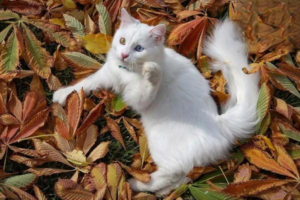
Cats are endlessly curious and will sneak a taste of houseplants, but many common flowers are toxic—ranging from vomiting and drooling to liver failure and death. This list covers eight dangerous plants, their toxic agents, and symptoms: hyacinth, carnation, tulip, chrysanthemum, hydrangea, lily (extremely poisonous), pothos/umbrella tree, and lucky bamboo. If your cat eats one, bring the plant to the vet for correct identification, and keep toxic plants well out of reach.
Adjusting Your Cat’s Diet for Constipation
Cat constipation is a common, annoying digestive issue that appears when stools become hard and large. Left untreated, long-term constipation can cause irreversible colon damage, so act quickly. This article explains how to spot constipation and adjust the diet: fiber-rich or high-protein/low-carb food introduced gradually, small frequent meals, more water (with syringing or moisture-rich foods like porridge, canned food, or honey water for stubborn cases), and added fruit and vegetables to support gut motion.
How to Supplement Vitamin B for Your Cat
Vitamin B deficiency in cats frequently appears as skin trouble—especially ringworm—along with a dull coat, weight loss, and loss of appetite, and in serious cases it can progress to eye and nerve problems. Because cats cannot store or synthesize enough B vitamins on their own, daily diet matters. This guide covers the warning signs of deficiency, why human B supplements are a poor fit for cats, and safe ways to meet their needs: B-rich cat food, small amounts of fruit, thorough drying after baths, regular disinfection of bedding and surroundings, and sunlight to help keep skin healthy.

How to Grow and Feed Cat Grass
Cat grass is easy to grow at home from wheat seeds in a container of soil. Sprinkle the seeds over damp soil, cover them with a thin layer of earth, water lightly, and wait — about ten days in warm conditions. Harvest with scissors from the tips; a well-cared tray regrows for around a month. Offer it sparingly at first and watch the litter box, since too much can cause diarrhea.
Why Does My Cat Keep Passing Gas (and What to Do)?
Frequent farting in cats is usually about digestion, but other overlooked factors matter too. Eating too fast or too much swallows air that comes out smelly; high-fiber, dairy, or very high-protein foods increase gas (excess protein also strains the pancreas); and past gut disease or unbalanced gut flora can make gas and stool smell worse. Occasional gas is normal, but constant gas affects health. Improve it by reviewing the diet, encouraging water (well-hydrated cats have less smelly waste), and trying a pet probiotic to balance gut flora and aid digestion.
Everyday Flea Prevention and Care for Cat Households
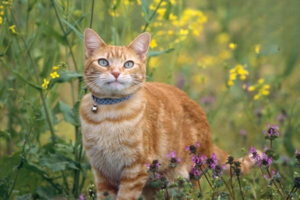
Spring and summer are peak parasite season, and fleas are a common nuisance for cat owners. A cat that scratches constantly may have fleas, mites, allergies, or ringworm — confirm with a Wood's lamp, hair exam, or the classic 'damp tissue test' where flea dirt turns red. These tiny jumpers can produce 250,000 offspring a month, so prevention matters: vacuum cracks and gaps, comb with a flea comb twice weekly, hot-wash bedding, and keep the home dry (fleas like 18–27°C, ~75% humidity). If infected, use monthly topical prevention, treat inflamed skin, and watch for tapeworms passed via fleas.

Treating Hookworm Infection in Dogs
Hookworm disease in dogs is caused by the dog hookworm (Ancylostoma) and the narrow-head hookworm (Uncinaria). These small parasites latch onto the intestinal wall and feed on blood; severe infection causes pale mucous membranes, weight loss, a rough coat, poor appetite, vomiting, and alternating diarrhea and constipation with bloody, tarry, foul stools. In puppies, skin invasion causes inflammation, and infection in 3-week-old pups can cause fatal anemia. Treatment starts with deworming—an injectable antiparasitic against hookworms, with pyrantel or levamisole also used for killing—and severe cases need supportive care such as iron supplements or a transfusion for anemia.

What to Do When Your Dog Has Frequent Diarrhea
Frequent dog diarrhea usually traces to one of four causes: a chilled stomach from cold weather or cold food, intestinal parasites (look for worms in the stool), gastroenteritis (viral or bacterial), or simple overeating and dietary indiscretion. Warming the dog and adding a probiotic helps mild cases, deworming treats parasites, and a vet may use anti-diarrheals plus antibiotics for gastroenteritis. Persistent, bloody, or accompanied diarrhea needs prompt veterinary care.

Cat Vomiting Yellow Fluid and Undigested Kibble: Causes and Care
When a cat throws up yellow fluid and undigested kibble, weak intestines, especially in kittens, are often to blame. If lethargy and appetite loss accompany it, rule out feline panleukopenia with a vet. Otherwise the usual causes are simple indigestion from irregular feeding, intestinal parasites, or gastroenteritis from spoiled food. Manage mild cases with a pet probiotic and a short fast, treat parasites with a dewormer, and seek a clinic if it persists beyond 24 hours.
What Medicine for Dog Gastroenteritis
Dog gastroenteritis is acute or chronic. Acute cases bring vomiting, diarrhea, and stools with blood and mucus; if vomiting is persistent, stop feeding and give an anti-vomiting injection, with smectite for diarrhea and neomycin for inflammation. Chronic cases relapse repeatedly and need long-term diet management with probiotics, plus anti-inflammatory medicine when severe.