Search Results
2142 results for “stool color”

How to Prevent Parasite Disease in Turtles
Turtles can develop parasite disease, and the risk rises in the hot summer months, so prevention belongs in every keeper's routine. Common parasites—tapeworms, coccidia, roundworms, and others—live in the gut, lungs, liver, and more, stealing nutrients and weakening the turtle until it wastes away. Good hygiene, quarantining new arrivals, and prompt deworming are the core defenses. This guide explains the parasites, their symptoms, and the practical prevention and medication steps that keep your turtle healthy.
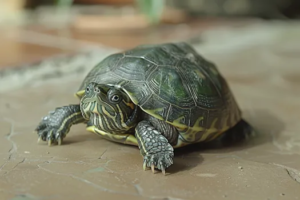
Internal Parasites in Turtles: Flukes and Protozoa
Flukes and protozoa are among the more common internal parasites in pet turtles, and knowing their signs helps you act before they drain your turtle's health. Flukes lodge in the liver, pancreas, and gut, causing appetite loss and bloody stool, while protozoa such as amoebas inflame the intestine and often trigger bacterial enteritis at the same time. Both are diagnosed through fecal checks and treated with specific dewormers plus gut support. This guide lays out the symptoms and the matching treatment for each parasite.

Your Dog’s Pica (Eating Non-Food) Is Simpler Than You Think
Pica is when a dog eats non-food items. Some dogs fixate on one object; others eat all sorts of strange things. It is dangerous because what they swallow usually stays in the gut undigested or disrupts digestion. Pica is not the same as eating feces—that common behavior is not classified as pica and is no cause for alarm. Causes range from simple hunger, poor nutrition, and hormonal imbalance to diabetes, thyroid disease, and even separation anxiety or stress (some breeds like Labradors are more prone). Diagnosis needs blood, stool, and urine tests, with no guarantee of an answer. Treatment depends on the cause: physical pica with digestive upset may improve by splitting two large meals into 3–4 small ones plus deworming and nutrition; psychological pica needs patient, cumulative retraining. Above all, do not blindly dose supplements—every dog's pica has a different cause.

How to Tell If Your Cat Has Parasites
Kittens often get parasites from mother's milk; adults pick up eggs or infected prey. Knowing the warning signs lets you act early. External parasites are visible: itching, hair loss, lice clinging to skin, white flea eggs, and black specks (flea dirt) that turn red in water—which also hints at tapeworm, since fleas host it. Internal parasites show as dull coat, pale gums (anemia), tarry stool, vomiting, appetite loss, swollen belly, lethargy, or visible worms/segments in stool. See an online vet or clinic for a test.

Helping Your Cat Enjoy Bath Time
Cats don't strictly need baths, but a clingy, bed-sharing cat benefits from routine washing for hygiene. Avoid bathing kittens under 3 months, within a week of vaccines or travel/moves, or in cold weather. Prep by trimming nails a day ahead and using cat shampoo (not human—licking it can poison). Wash in a secure bathroom, wet and lather, rinse with a gentle warm spray avoiding eyes/ears, towel-dry, then use a low, quiet dryer. Build tolerance slowly: let the cat explore an empty tub with treats, then shallow water, and it may even ask for summer cool-down baths.

What to Do When Your Cat Eliminates Outside the Litter Box
Cats don't pee or poop randomly without a reason, so fixing it means finding the cause. Common ones: never learned the box (left the mother too early), bullied by other cats, disliking the box (too far, too tall, smelly litter), illness (soft stool, UTI, stones, diabetes), or anxiety marking. Solutions are specific—teach the box, build the outcast's confidence, fix the box setup, treat disease, and address social frustration (neutering alone won't stop spraying).

What to Do If Your Dog or Cat Has Tapeworms
Many species of tapeworms parasitize dogs and cats, and the adult worms seriously harm their health, while the larval stages often use livestock or humans as intermediate hosts, threatening both animals and people. Common species include Dipylidium caninum, Taenia spp., Echinococcus granulosus, Mesocestoides, Spirometra mansoni, and Diphyllobothrium. Infection causes intestinal inflammation, malnutrition, and in severe cases intestinal blockage, with signs like vomiting, diarrhea, weight loss, and odd behavior. Diagnosis relies on clinical signs plus fecal egg exams. Prevention means regular deworming, not feeding raw offal, and controlling fleas. Treatment uses praziquantel (5 mg/kg dogs, 2 mg/kg cats), arecoline hydrobromide, bunamidine, or fenbendazole under veterinary guidance. Because some tapeworms (like Echinococcus) also endanger human health, prompt and correct control matters.

Why Has My Dog Suddenly Gone Quiet and Calm?
A dog that is normally playful but suddenly turns quiet and still may simply be in a low mood, or it could be telling you something is wrong. The shift often comes from four situations: feeling down, adjusting to a new environment, being unwell, or pregnancy in a female dog. Because quiet behavior can mask illness, owners should weigh the context and watch for other signs like changes in appetite or stool. This guide explains each reason so you can respond with comfort, patience, or a timely vet visit.
What Causes a Dog to Retch or Dry-Heave?
A dog that keeps dry-heaving without producing vomit can be distressing to watch, yet the causes are often straightforward. Retching usually means the throat or stomach is irritated, and it can come from a foreign object, throat inflammation, parasites, indigestion, or simply too much excitement and exercise. Most cases are mild and improve with rest, fluids, and regular deworming, but some signal infection or an obstruction that needs a vet. Knowing the difference helps you respond calmly and give your dog relief before a small issue becomes a bigger one.

Hairballs: What Every Cat Owner Should Know
Cats groom constantly, and their barbed tongues pull loose fur into the stomach—making hairballs unavoidable. Normally the fur passes in stool or comes up as a vomit with a wet clump; trouble starts when it builds up. The best defenses are frequent brushing to cut intake, cat grass (wheat, barley, oat seedlings) whose fiber helps move fur through the gut, and hairball paste that lubricates with glycerin so the cat passes it. This guide explains why hairballs form and how to prevent them.