Search Results
2142 results for “stool color”

Canine Parvovirus: Symptoms and Treatment
Canine parvovirus is an acute, highly contagious infection that hits puppies hardest and carries a high death rate. It shows as either severe hemorrhagic enteritis or sudden heart failure, and because mixed infections are common, quick recognition matters. Supportive care, fluids, and vaccination are the cornerstones.

Will Changing Dog Food Hurt the Gut?
Why switch? Nutrition balance - eating one food forever risks deficiency; safety - some feeds use questionable 4D sources, unneeded flavor additives and heavy preservatives linked to chronic disease; and appetite - same taste daily breeds boredom (imagine burgers forever). Does switching hurt? A single-food gut makes narrow enzymes, so a sudden swap causes soft stool or diarrhea. The 7-day method fixes it: raise the new-food ratio daily until day seven is all new, avoiding digestive stress. Switch about every three months, or anytime if no reaction; mixing two foods for broader nutrition is fine. Picky eating comes not from switching but from rewarding refused food with tastier food - the dog learns refusal pays off.

Why Your Dog’s Body Temperature Drops
A drop in body temperature shows up often when a dog is seriously ill. Low temperature is more dangerous than fever because it weakens the body's ability to cope, and in puppies it can be swift and fatal. The common causes range from simple cold exposure to major organ and nerve disease.

Why Dogs Get Diarrhea and What to Do
Most dog diarrhea comes from feeding mistakes, not a fragile gut. Overfeeding (dogs eat to bursting - feed set amounts, about 80% full), eating too fast (use a slow bowl; short-necked breeds that cough should be checked), post-meal running (walk gently after 30 minutes), and irregular meals (split into 2-3 feeds) all trigger it. Food issues: the wrong main kibble, a gut that prefers meat, or lacking fiber from a little veg. Stress - bad food transitions, frights, new places, vet visits - also causes it; switch gradually to a similar formula. What to feed: probiotics for transition/stress diarrhea, digestion tablets for overeating, B vitamins for gut health. Stop hard-to-digest food, fast one day if severe (keep water), and never soy or corn. Black stool = upper bleed, red = lower bleed, rice-like particles = worms - bring a sample to the vet.

Why Is Your Dog Having Diarrhea
A healthy dog passes formed stool three to four times a day. More frequent, soft, watery, mucus-laced, or bloody stool is diarrhea, a sign of illness rather than a normal variation. Clinically it is split into acute (sudden) and chronic (long-lasting) forms, each with its own common causes.
How to Tell If Your Cat Is Dehydrated
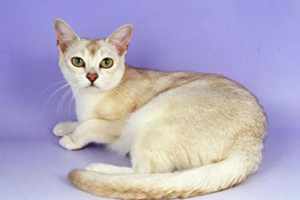
An adult cat needs about 150 ml of water a day, but cats dislike drinking, so many drift into chronic dehydration and later urinary trouble. Two home checks: stool - if it comes out in hard, dry pellets the cat is already short on water (the body pulls moisture from waste); and urine clumps - an adult's clump should be about a third of a palm, once or twice a day, so a ping-pong-sized clump is a red flag. Remember, you judge by what goes out, not what goes in. Fix it with a fountain cats prefer and wet food or rehydrated freeze-dried meals.

Common Dog Diseases and Their Symptoms
A sick dog shows changes in behavior and body that veterinarians call symptoms. Owners who notice these early can get the right help faster. Fever is one of the clearest signals: a dog's normal temperature is 38.3-39C, and anything above 39C means the dog is running a temperature. Here are the common causes behind sudden high fever and lingering low fever.

How to Stop a Dog From Eating Its Own Poop
Eating its own stool is a common dog behavior, usually harmless but sometimes a sign of a problem. Causes range from missing nutrients and youth or pregnancy, to lack of training, boredom, or illness such as pancreatitis. To correct it: feed a complete diet with added trace minerals and vitamins, clean up stools promptly, interrupt with a firm 'leave it' and reward stopping, and as a last resort make the stool unpalatable with a safe deterrent. If the habit persists despite these steps, consult a veterinarian to rule out a medical cause. Patience and consistency are what break the cycle.
Why Your Cat’s Diarrhea Persists Despite Probiotics
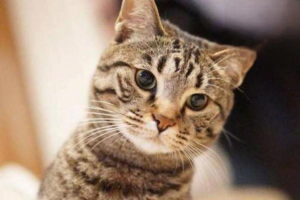
It is a common story: your cat has soft stool or diarrhea, you reach for a probiotic, and the problem does not go away. Probiotics can help the gut, but they are not a cure for every loose stool, and not every product on the shelf is what it claims to be. Understanding why they sometimes fail points you toward the real fix.
Why Dogs Need Vaccinations
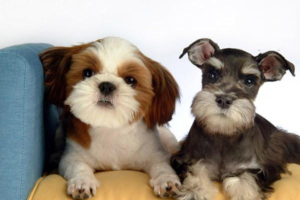
Puppies are vaccinated around two months, after the vet checks temperature and recent health to be sure the body can handle the stress. Mild reactions are normal: some diarrhea, vomiting or low spirits for a day or two - keep water available, do not force food, and add probiotics. Serious signs like itchy skin, facial swelling or red eyes mean allergy and need an anti-allergy shot, so observe at the clinic before leaving. High fever, blood in urine or seizures may mean the dog was already unwell; see a vet at once. Keep the dog warm, calm and away from others, and follow the schedule - first shots about a month apart, then yearly.