Search Results
2142 results for “stool color”
What are the signs a dog is dying from internal injuries?
External bruises, labored breathing, pale or blue-tinged tongue, abdominal breathing, possible internal bleeding or ascites, with vomiting or bloody stool in serious cases.
What are the symptoms of feline panleukopenia (cat distemper)?
Signs include abdominal pain, lethargy, bloody diarrhea, fever and vomiting. The most acute form damages the intestines and lowers white cells, often killing the cat within 24 hours.

Is It Normal for Cats to Swallow Kibble Without Chewing?
Cats that gulp down kibble without chewing are usually behaving perfectly normally, and it generally does not harm their digestion. This fast-eating habit is inherited from wild ancestors who swallowed prey whole to avoid losing it to rivals, while a cat's sharp, offset molars are built for tearing rather than grinding food the way human teeth do. Most modern kibble is formulated to be easily digestible, so whole swallowing is rarely a problem. However, a sudden shift to non-chewing, signs of mouth pain while eating, or undigested kibble appearing in the stool or vomit can signal dental disease or poor digestion. Choosing appropriately sized kibble, using a slow-feeder bowl, and offering chewy treats such as freeze-dried meat can encourage healthier eating. Keep an eye on your cat's habits and consult a vet if anything changes.

How to Safely Cuddle Your Cat and Stay Healthy
Cuddling and nuzzling a cat - playfully called "sniffing the cat" - is a way owners show affection, and cats are uniquely cuddle-friendly because they barely smell. Unlike dogs, whose whole-body sweat glands make them rank without baths, a cat's scattered glands and constant self-grooming, plus sunbathing that kills bacteria, leave little odor. But close contact is not risk-free: diseases in cat feces or on the coat can pass to people. These include toxoplasmosis, cryptosporidiosis, and roundworm (mostly a kitten worry), plus Q fever from Coxiella burnetii, flea-driven skin allergies, and rarely rabies or hepatitis. Enjoy the cuddle, but wash up after, keep indoor cats' litter clean, and be extra careful if you are pregnant or unwell.
Why Doesn’t My Cat Throw Up Hairballs
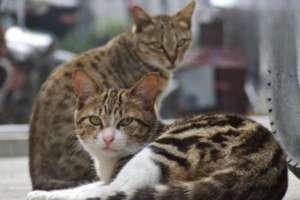
Cats groom constantly, so they swallow hair - but not every cat throws it back up. Swallowed hair usually passes with food into the stomach and on through the intestines, leaving in the stool; only when the stomach flags it as a foreign body does the brain trigger a vomit. So a cat that rarely hacks up hairballs is often just moving the hair through normally. More frequent grooming can signal fear or stress. The real concern is hairball syndrome, where a matted clump blocks the stomach outlet and causes repeated violent vomiting and dehydration - see a vet if vomiting happens many times a day. Prevent it by regular brushing, trimming long coats, and hairball-control food with extra fiber.

Why Does Cat Poop Smell So Bad
All stool smells, but cat poop is famously potent. The reason is protein: cats eat a meat-based diet, taking in four to five times more animal protein than people do. Plant protein contains only carbon, hydrogen, and oxygen, but animal protein also holds nitrogen and sulfur; as food ferments in the gut it forms indole and hydrogen sulfide - the compounds behind the strong odor. Cats also groom themselves and swallow stray hairs and odors that mix into the stool, making it richer still. The same goes for cat gas: nearly silent but strikingly pungent, it is a sure sign your cat is the source when no one else admits to it.

How to Tell Whether Your Dog Has a Cold or Distemper
A dog's ordinary cold and canine distemper can look alike at first, but they are very different problems. A simple cold brings runny nose, sneezing, fever, and cough from a viral or bacterial respiratory infection and is usually easy to treat. Distemper, by contrast, is a highly contagious and stubborn disease whose early sign is often a cold-like state; warning signs include diarrhea, bloody stool, vomiting, thick pus-like discharge from the eyes and nose, lethargy, and shivering. Distemper is far more dangerous, especially in puppies, and belongs in the hands of a veterinarian. The best defense against distemper is routine vaccination and avoiding unvaccinated groups during outbreak seasons.

How to Stop Your Dog From Eating Poop
The old saying that a dog can never be trained out of eating stool is unfair - coprophagia can be corrected with patience. The first move is to remove the opportunity: clean up after every bowel movement and keep the dog on a leash and in sight on walks so it cannot snatch another dog's waste. If you catch the behavior, interrupt and correct it calmly without physical punishment, and use gentle training to redirect it. You can also make stool less appealing by adding a taste it dislikes, then letting the dog investigate. Finally, rule out hunger: feed regular, balanced meals so the dog is never driven to eat stool by an empty stomach.
What Are the Symptoms of Parvovirus (Parvo) in Dogs?
Canine parvovirus presents in two forms — enteric and myocardial. The enteric form starts with lethargy, poor appetite, drowsiness, and fever, then progresses to soft stools, diarrhea, and vomiting with foul-smelling, soy-sauce- or rotten-tomato-colored watery stool. The myocardial form often shows no warning signs and can be fatal within hours.

What Is Canine Salmonellosis
Canine salmonellosis is a group of infections caused by bacteria of the Salmonella genus, which can affect both dogs and people. Dogs pick it up from sick animals, contaminated food and water, or even healthy-looking carrier dogs, and the illness ranges from silent carriage to severe, life-threatening septicemia in young puppies. Signs include fever, vomiting, watery or bloody diarrhea, and rapid dehydration. Diagnosis relies on culture and identification of the bacteria from stool or organs, and treatment pairs antibacterial drugs with fluid and symptom support. Careful food handling and a clean environment are the cornerstones of prevention.