Search Results
2142 results for “stool color”
Can puppies eat sweet potato?
Yes, but not too much at once. Very young pups have immature guts, so puppy food should be the staple and other foods minimal. Sweet potato makes gas in the gut, so overfeeding causes bloat, vomiting or diarrhea — watch the stool and stop if soft/loose. Its starch and sugar also burden metabolism and oral health, so don't feed often.
Do dogs’ anal glands have to be expressed?
Normally no — healthy dogs express them naturally during bowel movements. Only with soft or hard stools do you need to help. If neglected, the fluid builds up and can cause infection or even rupture and pus. Express 2–3 times a month.
Does Lactoferrin for Cats Boost Immunity, or Is It a Waste of Money?
Lactoferrin isn't a scam — it's an iron-binding glycoprotein in milk with broad antimicrobial activity against bacteria, fungi, viruses, and parasites, and it supports gut-barrier function. For healthy adult cats on good food it adds little, but puppies (1–3 months), post-illness recovery, chronically soft-stooled, and senior cats can benefit. It's a supplement, not a drug: ~10–20 mg/kg/day, avoid in kidney disease, and see a vet for real symptoms like diarrhea or vomiting.

Causes and Treatment of Dog Hepatitis
Dog hepatitis can stem from infectious canine hepatitis, toxins or drugs (arsenic, mercury, plant alkaloids, phenols, chlorpromazine, testosterone, halothane), or liver-fluke parasites. Early signs are vague — lethargy, appetite loss, jaundice, vomiting — so a vet visit and blood work are needed; treatment removes the cause, supports the liver, and uses antivirals when viral.
How Much Water Does a Cat Need Each Day? Even a Little Less Is a Risk
A cat needs about 40–60 ml of water per kg of body weight daily — roughly 200–300 ml for a 5 kg cat. That total includes water from food: dry food is only 5–10% moisture while wet food and fresh diets are 70–80%. Pregnant/nursing mothers need +50%, kittens (3–6 months) 60–80 ml/kg, and hot, dry, or active conditions call for +20–30%. Chronic shortfalls raise the risk of urinary crystals, kidney disease, and constipation.
Does a dog really need deworming every month?
Under 6 months: monthly. Over 6 months: still monthly is advised, but with good hygiene do internal deworming every 2-3 months and external monthly. Parasites harm skin and gut and steal nutrients, so regular deworming is necessary.
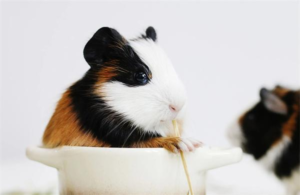
Common Guinea Pig Diseases and Their Symptoms
Guinea pigs commonly suffer digestive troubles (diarrhea, constipation, gut parasites), respiratory infections (pneumonia, bronchitis), skin disease from bacteria, fungus, or external parasites, and urinary issues (cystitis, nephritis). Good diet, clean housing, checkups, and prevention keep them healthy.
Why Is Your Dog Scooting (Dragging Its Bottom) on the Floor?
A dog dragging its bottom usually means anal itching or pain — most often impacted or infected anal glands, intestinal parasites (tapeworms), perianal skin infection, or allergies. Signs like frequent licking, straining to defecate, or a red swollen anus point to anal-gland disease (express and apply an antibiotic ointment). White rice-like segments mean tapeworms (use a praziquantel dewormer). Rule out health causes before blaming boredom or anxiety.
Why do dogs get canine parvovirus?
Dogs catch parvovirus through poor diet, chilling, dirty living conditions, internal parasites, or contact with the virus. Signs include lethargy, appetite loss, vomiting, diarrhea, and bloody stool; untreated cases dehydrate and can die. Vaccination prevents it, so see a vet promptly if infection is suspected.
Why did my dog vomit white worms?
White worms in vomit mean a heavy internal parasite load — deworm promptly. Take a sample to the vet to identify the type, then use the right dewormer about 3 hours after a meal. Dose carefully to avoid poisoning.