Search Results
2140 results for “stool color”
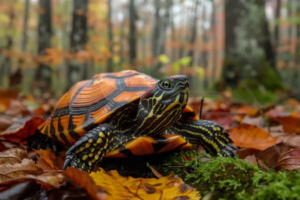
Common Illnesses of Red-Eared Sliders
Red-eared sliders face several common illnesses: white-eye disease (a white film from poor water), gastroenteritis (odd red-green stools), pneumonia (wheezing, head held high), skin rot, calcium deficiency (soft shell), shell rot, and colds. Most trace to water quality and temperature swings, and many respond to antibiotic soaks or ointments plus warmth and sunlight.

Rabbit Viral Hemorrhagic Disease: Symptoms and Prevention
Rabbit viral hemorrhagic disease (RHD, or 'rabbit plague') is a highly contagious viral infection with up to 100% mortality and no specific cure. Control relies on the semi-annual RHD vaccine, strict hygiene, and disinfecting feed and water contaminated by sick rabbits.
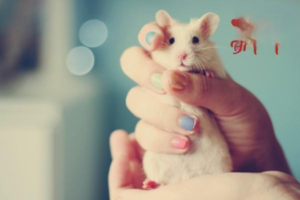
Caring for a Roborovski Hamster
The Roborovski (or 'father' dwarf hamster) is tiny and timid, so it needs a warm acrylic cage, a calm adjustment period, and a varied but careful diet — avoid loquat, peach and spicy food. Watch for cheek-pouch inflammation and clean the scent gland regularly.
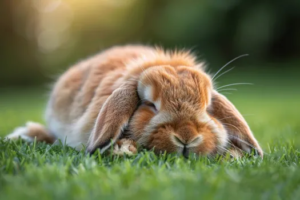
Preventing and Treating Yellow-Urine Disease in Baby Rabbits
Yellow-urine disease is acute enteritis in nursing kits under 7 days old, caused by Staphylococcus toxins from a mother's mastitis passed through her milk; signs include yellow watery stools, weakness, and a fishy smell. Prevent it with a clean dry nest, managed milk flow in the doe, and early mastitis treatment, and treat affected kits with gentamicin drops.
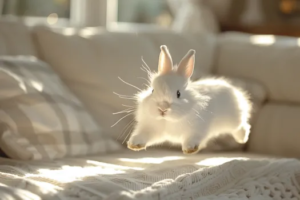
Rabbit Mycotoxin Poisoning: Symptoms and Control
Mycotoxin poisoning in rabbits comes from moldy feed, peaks in hot humid summer, and hits lactating does hardest with no contagion and poor drug response. Acute signs are appetite loss, irregular stools, staggering, and death in 2 to 4 days. Prevent it with strict feed storage and anti-mold additives, and treat by stopping the moldy feed and giving glucose, vitamins, and antifungal drugs.
Rabbit Hairball Disease: Causes and Treatment
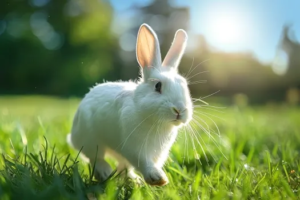
Hairball disease, common in long-haired rabbits, comes from swallowing too much fur and blocks the gut with constipation, bloating, and sometimes death. Causes range from cramped cages and poor diet to vitamin or mineral gaps and skin disease. Prevent it with full-ratio feed, isolation of fur-eaters, and regular grooming; treat with vegetable oil and enzyme tablets to pass the mass.

Why Is My Cat Thin and Unable to Gain Weight?
If a cat eats normally but stays thin, take note — it may be sick. Common causes are internal parasites that steal nutrients, poor gut absorption, high activity (common in kittens), or low-quality grain-heavy kibble. Switch gradually to a nutritious, palatable food, and if weight keeps dropping, see a vet, since diet alone won't fix an underlying problem.
Why Does Your Cat Keep Farting So Badly?
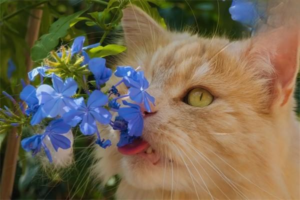
Cats are lovely, but why do their farts smell so bad? Frequent smelly gas can mean abnormal gut fermentation. Normally cats rarely fart and it isn't very smelly, so constant odor deserves attention. Here are the common causes.
What Is Hamster Wet Tail Disease?
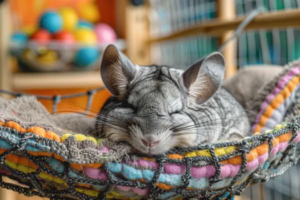
Wet tail, also called proliferative ileitis, is a serious intestinal disease in hamsters, common in young ones and often fatal. Here is what you need to know about it.

How to Tell Heatstroke and Wet Tail Apart in Hamsters
Both wet tail and heatstroke are serious and can be fatal in hamsters, and their symptoms look alike, so owners often mix them up and delay treatment. Here is how to tell the two apart.