Search Results
2140 results for “stool color”
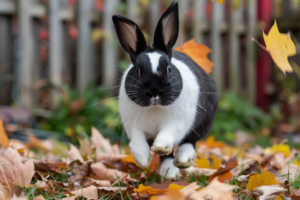
When Does a Rabbit Enter Old Age?
Rabbits live 5–12 years; most reach the senior stage after age 5 (small breeds like the Netherland Dwarf as early as 4). Seniors show weaker digestion, more sleep, slower movement, frequent soft stools, and white, matted fur. Care means a soft floor, senior food with unlimited hay, plenty of water, and companionship.

The Pros and Cons of Keeping a Chinchilla
Chinchillas live 15–20 years, stay clean and quiet, and rarely get sick or pass diseases to people — but they need a clean cage, strict temperature under 25°C, scheduled feeding with clean water, daily out-of-cage time, and a dust-free home if anyone has rhinitis. Know the trade-offs before you commit.

My Dog Got Diarrhea After Probiotics — Is the Probiotic Bad?
Probiotics relieve diarrhea slowly, so if a dog gets loose stools after them, check the diet first, then rule out an active gut disease like parvovirus. The probiotic itself may be the wrong strain, counterfeit, or clashing with antibiotics taken too close together. Give probiotics with warm water and keep them 1–2 hours from other meds.
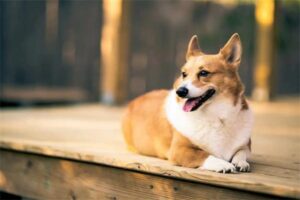
Symptoms of Hookworm Infection in Dogs
Mild hookworm infection often shows no clear signs — mainly weight loss, pica and poor digestion. Severe cases bring pale mucous membranes, reduced appetite, vomiting, thin coat, arched back and even bloody stool. This article details canine hookworm disease.

Doe Mastitis: Types, Diagnosis, and Prevention
Doe mastitis, common in the first three weeks after kindling, harms both doe and kits. It arises from overfull, thickened milk plus bacteria (internal) or a bitten or scraped teat (external). Forms are acute (fever over 41°C, blue skin, sepsis risk), chronic, and suppurative. Diagnose by the red hot painful udder and rule out staphylococcal disease; prevent with clean housing, managed feeding, and sulfonamide.
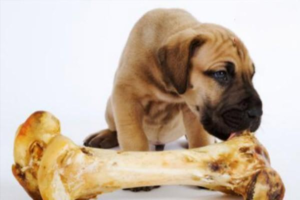
Should Dogs Eat Bones? How to Do It Safely
Vets often warn against bones because they are hard to digest and can block the gut, yet they also clean teeth, calm boredom, and add calcium. If you do give them, choose raw, large, non-hollow bones and avoid cooked poultry bones that splinter; cartilage, pressure-cooked bones, fish heads, necks, tails, frames, and pork fans are safer picks.
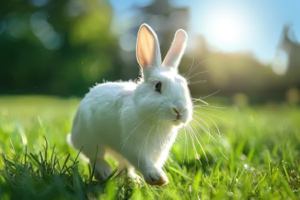
What to Do When a Rabbit Has Diarrhea
Rabbit diarrhea is common and can turn critical fast, especially in weanlings that have lost maternal antibodies. Treat infections with rabbit-safe antibiotics and keep the cage clean and dry; prevent it with safe food, gradual feed changes and isolation of sick rabbits.

Lop Rabbit Care Essentials
Lop rabbits make popular pets but need correct care. Buy a 2 to 3 month healthy one, feed pellets and hay as staples with small vegetable and fruit treats (none under 6 months), never meat or spicy food, and keep cats away to avoid toxoplasmosis. Litter-train early, walk at dusk on safe ground, keep 18 to 25°C, and groom, bathe monthly, and trim nails.
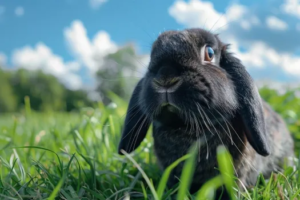
Preventing and Controlling Rabbit Colibacillosis
Rabbit colibacillosis (mucoid enteritis), caused by Escherichia coli, strikes weanling rabbits hardest with high death rates from watery, jelly-like diarrhea and dehydration. Prevention hinges on steady high-fiber feeding, clean dry housing, insect and rodent control, and feed-additive or vaccine prophylaxis.
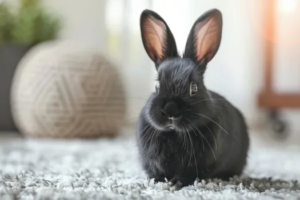
Rabbit Constipation: Causes and How to Prevent It
Rabbit constipation, common in young and old rabbits, comes from dry hardened gut contents due to poor feeding, too much concentrate, low water, or too little exercise, and can block the gut. Signs are poor appetite, hard small stools, then no stool with a painful belly and palpable hard masses. Prevent with balanced feed and water plus exercise; treat early with greens and, for severe cases, sodium sulfate or salt laxatives.