Search Results
568 results for “staple”

Pudding Hamster Behavior and How to Care for Them
Pudding hamsters are gentle but timid — the easiest breed to bully — and are food-loving, sleepy, and low-energy, which is why most stay plump. Caring for them means avoiding human food, direct sun, and water baths, keeping them solo or same-sex, and following rules on diet, bedding, and clean drinking water.

Signs of Aging in Hamsters and Common Senior Diseases
Hamsters begin aging around 15 months and show clear changes: a thinning coat, hunched back, leaner body, and less activity and appetite. Senior hamsters are prone to kidney failure, tumors, dental problems, cataracts, and constipation — conditions that are manageable but generally incurable, so attentive care is essential.

How Long Do Holland Lop Rabbits Live? (And How to Care for Them)
Holland Lops are loved for their small size and cute looks, but they live shorter than average rabbits—usually 5–7 years. Good care (free roam, proper diet, health checks, clean housing) can extend that toward 10–12 years.

What to Do When Your Chinchilla Is Constipated
Chinchillas are herbivores but can get constipated from poor diet or too little exercise. This guide covers the symptoms, causes and fixes—diet adjustment, exercise, gentle massage—plus prevention via high-fiber hay and hair-ball control.

Key Things to Know When Raising a Golden Retriever
Golden Retrievers are large, long-haired, active dogs that shed and need daily exercise plus coat care. This guide covers exercise, feeding, vaccination, stool checks, training, and bath frequency.

What’s the Best Food for a Chinchilla?
Chinchillas are herbivores that eat mainly alfalfa and Timothy hay, much like rabbits—but they're greedy, so don't overfeed or you'll harm their gut. This guide covers foods, portions, timing and what to do if one stops eating.

Why Is Your Cat a Picky Eater? (And How to Fix It)
Wrong feeding—too many treats or one food only—plus additives in kibble cause pickiness. This guide explains the causes and how to prevent and correct fussy eating.

Why Do Cats Catch Cockroaches So Easily?
Cats catch cockroaches easily thanks to a keen sense of smell, night vision, and sharp hearing that pick up the insect's scent and faint sounds. They make expert hunters, but they should never eat roaches—the insects carry bacteria, parasites, and sometimes insecticide.

What to Watch When Raising a Lop-Eared Rabbit
Lop-eared rabbits are small, gentle, and popular, but new owners must heed five points or the rabbit may fall ill: age-based diet (alfalfa for pups, timothy for adults), a ventilated dry home (no outdoor in summer, a floor board in dog cages to avoid sore hocks), daily cleaning of urine, no baths (keep ears dry), and never lift by the ears grip the belly and rump instead.
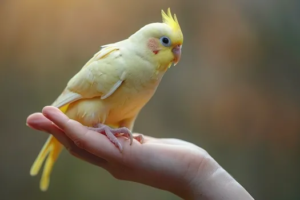
How to Care for a Myna Bird (and Daily Cautions)
A myna is a well-known, beloved bird; once tamed it becomes very clingy, much like a dog. Raise it in a roomy cage with perches and cups, feed chicks myna powder and adults egg-rice with meat and greens, keep the cage clean, and give water baths in summer. Watch temperature swings, prevent colds, and start speech training at 3-4 months.