Search Results
13 results for “stairs bad for dogs”

Is It Good or Bad for Dogs to Climb Stairs?
Whether stair climbing suits a dog depends on the individual — it can't be generalized. Moderate stair climbing has benefits such as exercise and weight loss, but frequent climbing easily leads to lumbar problems. Below we analyze the pros and cons.

Dogs Actually Learn These Skills from Each Other
Today we look at what an older dog can teach a puppy.

Common Causes of Limping in Dogs
A sudden limp may be a paw injury, calcium lack, joint disease, faking it, or nerve damage. Check the paw first; pain or persistent limp needs a vet to rule out joints or spine.

Diagnosing Lameness in Dogs
Sudden lameness is often easier to trace — a normal dog that suddenly limps clearly had something happen. But chronic or subtle lameness takes a careful workup. A detailed history and orthopedic exam point the vet to the right tests.

How to Tire Out Your Dog Indoors
Mental exercise tires dogs more than physical play. Use stairs, obstacle games, hide-and-seek, and tug wisely to drain energy when you cannot go outside.

Thinking of a Dachshund? Pros, Cons, and Common Illnesses First
The Dachshund is loyal, clever, and compact, but also stubborn, vocal, food-obsessed, and prone to back trouble from its long spine. Weigh the pros, cons, and common health issues before you commit to over a decade of care.

How to Care for a Senior Dog With Joint Problems
As dogs age, their joints wear down and daily movement becomes painful. You can ease the discomfort at home with five simple steps: manage weight, make the home slip-free, choose low-impact exercise, add joint supplements, and watch for early warning signs.
Why Won’t My Dog Go for Walks Anymore?
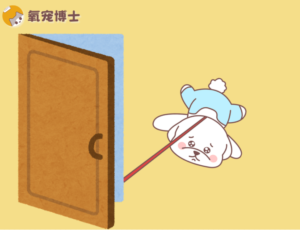
A dog that suddenly refuses walks is usually 'afraid' rather than 'lazy' — something on the route scares it, its paws or joints hurt, or it is stressed, anxious, or bored of the same path. Don't force it; rule out pain first, then rebuild confidence slowly with treats and short, positive outings.

Dog at 7 Is Like a Human at 50: Early Signs of Senior Dog Diseases
At 7, every dog, large or small, has entered its senior years and organs start declining faster. Studies show kidney filtration drops 12-18% and joint cartilage wears three times quicker after 7. Many early signs get mistaken for "normal aging" and missed. Watch for osteoarthritis (stiff rising, hesitant stairs, liking soft beds), dental disease (red bleeding gums, loose teeth, bad breath, favoring soft food), chronic kidney disease (drinking and urinating more, later ammonia breath and weight loss), and cognitive dysfunction (getting lost at home, night waking, forgetting house-training). These diseases can't be cured, but early action slows them and extends life.

Signs Your Dog Is Getting Old
A dog's life spans only a little over a decade, and aging creeps in through everyday details rather than all at once. The earliest changes are white muzzles and cloudy eyes, followed by dental trouble, shifting personality, and less stamina. Because organ function declines with age, seniors also show digestive and urinary changes. Spotting these signs early lets you give your older dog the comfort and care they deserve.