Search Results
830 results for “spirit”

How Long Between a Cat’s Vaccination and Deworming?
Kittens are due for both vaccines and deworming around two months of age, and doing them together raises the risk of allergy or vaccine failure. The safe rule is to separate the two by at least a week. Vaccines briefly lower the cat's resistance while they build antibodies, and dewormers carry a small toxicity that the body tolerates only when healthy. This guide explains the interval and the practical cautions for both procedures so your cat stays protected without setbacks.

Can Dogs Drink Alcohol?
A dog's body cannot metabolize alcohol, so for a dog, any alcoholic drink is poison. Whether baijiu or beer, the active agent is ethanol; if ethanol is the main threat to a dog's health, the other ingredients are accomplices—the enzymes in wine, for example. Dogs do not 'like' alcohol; from a dog's view these liquids that help humans forget their worries are just odd-smelling substances. After ingestion a dog quickly shows drunkenness: loss of coordination, drooling, racing heart, low temperature, dropping blood sugar, weakness, even coma. Unlike humans (who often die from aspirating vomit), 99% of dogs die from respiratory failure as the body mobilizes everything to break down ethanol, then breathing slows and stops. The best rescue window is 20–40 minutes—get to a vet, do not induce vomiting at home. Even survivors can suffer kidney, liver, or heart failure. Spirits, wine (grapes are toxic to dogs), and beer (most dogs are allergic to hops) are all dangerous.

Why Pets Drool: Stomatitis and Periodontal Disease
Persistent drooling often points to mouth inflammation. Stomatitis can be contagious (virus-linked) and, in cats, often lifelong — a red line forms where gum meets tooth, with constant drooling. As it worsens, ulcers grow, the cat may stop eating and lose weight. Periodontitis, driven by bacteria and tartar, also causes drooling, bad breath, and tooth loss. Diagnosis needs an oral exam (often under anesthesia) and dental X-rays; treatment ranges from antibacterial rinses to antibiotics and, in severe tartar cases, extraction.

What to Do When Your Cat Becomes Lethargic?
Cats are naturally quiet companions, but a sudden loss of energy is a signal worth attention. The two main reasons are emotional and physical: a cat left alone too long can grow depressed and withdrawn, while illness—from a simple cold to oral, skin, or stomach problems—drains its spark. Because lethargy is a common early sign of disease, owners should look for other clues and act. This guide explains why cats go listless and how daily companionship plus prompt veterinary care can bring your lively cat back.
Can a Cat Vomit from a Cold?
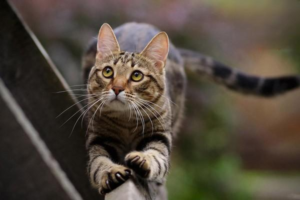
Yes—a cat can vomit from a cold, usually from the chill. Like people, a cat may feel nauseated when chilled, and vomiting may briefly ease the feeling, but vomiting harms a cat's stomach, so during a cold support the gut with probiotics that also revive appetite. A cold shows as sneezing, runny nose, cough, fever, lethargy, and poor appetite; use these to confirm the cause. If it vomits without those signs, look to diet or stomach trouble instead. Treatment is simple: warm the cat, give water and nutrition; severe cases need vet-prescribed cat cold medicine. During recovery, don't overfeed, keep it from chilling again, and add a nutrient paste once it improves.

What to Do When a Cat with a Cold Won’t Eat
A cat with a cold feels as miserable as a sick person and may refuse food and lose spirit. If the cold worsens it can also vomit, diarrhea, or dehydrate. Keep the cat hydrated—if it won't drink, syringe-feed water. Feed small, frequent meals that are finished within about 20 minutes to stay fresh, and choose strongly scented foods (like fish-based cans) since a stuffy nose dulls smell and appetite. A robust cat can recover from an ordinary cold with enough food, water, and micronutrients; severe viral or bacterial colds need a vet to find the cause and treat it.

Cat Vomiting After Every Meal: What to Do
When a cat throws up everything it eats, the cause may be a gut blockage from a swallowed object or hairballs, organ disease in adults, or acute gastroenteritis from bad food, parasites, or infection. Get a vet check first, bloodwork, fecal, and imaging pinpoint the cause. If a clinic isn't possible immediately, fast 4-6 hours, then a vet-prescribed gut antibiotic and anti-emetic can ease pain and protect the gut lining; hairball paste and probiotics help if it's just hairballs or a partial blockage. Untreated, frequent vomiting leads to dehydration and worse.

What Injections Does a Cat with a Cold Need?
Never give a cat cold medicine or injections blindly. For anti-inflammatory or antibiotic shots, a vet must diagnose first—injecting without guidance can harm the cat. An ordinary cold shows sneezing, runny nose, and watery eyes, sometimes fever, with little change in spirit or appetite. A viral cold (upper-respiratory infection) brings cough, congestion, sneeze, fever, thick nasal discharge, heavy eye discharge, conjunctivitis, and mouth ulcers; it's more severe, can block tear ducts and cause light aversion and hiding, even vision loss and refusal to eat. When to inject: high fever needs an antipyretic shot (vet-guided); viral colds get antiviral fluid; severe secondary infection needs the right antibiotic; serious dehydration needs subcutaneous glucose. Leave all injections to a professional.

Should You Vaccinate a Cat That Has a Cold?
Don't vaccinate a cat that has a cold—wait until it recovers. Vaccinating a sick cat can cause vaccine failure and lower its already weak resistance, worsening the cold or inviting other infections. The best time to vaccinate is when the cat is healthy, the right age, and its immune system is working normally. Kittens usually get their first shot at about 8 weeks, commonly three shots spaced three to four weeks apart; adults typically get two feline-combination shots, the second three to four weeks after the first. After that, a titer check every three years shows whether boosters are needed. Also skip vaccination if the cat is vomiting, diarrheal, newly recovered, low in spirit, pregnant, has an allergy history, swelling, or is already infected.

Can a Cat Die from a Cold?
A cat's cold is usually not fatal if it stays mild, but ignoring it—letting a secondary virus take hold or failing to care during an outbreak—can indeed be deadly. Viral and bacterial colds are the dangerous ones; feline herpesvirus (cat flu, or rhinotracheitis) is the common viral form, and stray cats left untreated can die, while house cats should see a vet for targeted treatment. Later signs include thick nasal discharge, weeping or cloudy eyes, conjunctivitis, constant sneezing and cough, lost appetite, and low spirits. Prevention centers on vaccination against herpesvirus (though vaccines aren't 100% effective) plus disinfecting the environment, since the virus survives about 24 hours. Keep a sick cat warm—the virus replicates better at low temperatures.