Search Results
830 results for “spirit”

Why Does a Rabbit Keep Making ‘Puff Puff’ Sounds
A rabbit's 'puff puff' sound is usually sneezing or a mild breathing noise from excitement. Causes include allergies (dust, pollen, cleaners, food), respiratory infection (with discharge, cough, appetite loss), poor air quality, or a nasal foreign body like a hair. Clean the environment and see a vet if it persists with other symptoms.
Why do cats make a purring sound?
Purring usually means a cat is content, such as while eating or being petted, showing it feels safe and relaxed. But cats may also purr when in distress, like when injured or giving birth. If purring comes with poor spirits, appetite loss or pain, see a vet.
Why does my cat have bloody diarrhea but still seem energetic?
Bloody diarrhea with good spirits may be parasites such as coccidia or tritrichomonas, bowel disease like colitis or proctitis, or infectious disease like feline distemper. If vaccinated with good antibody levels, distemper is unlikely. See a vet to confirm.
Why does my cat make a huffing or puffing sound?
A cat's huffing may reflect unstable emotions in a new environment, in which case give it space and time. If accompanied by eye or nose discharge, lethargy, or appetite loss, it may signal a respiratory infection.

How to Prevent Heartworm Infection in Dogs
Heartworm in dogs is spread mainly by mosquito bites and, less often, from an infected mother to her puppies. Signs such as coughing, tiredness, and poor appetite appear only after worms mature in the heart and lungs, so prevention — regular checkups, monthly preventives, and mosquito avoidance — is far safer than treatment.
What should I do if my dog won’t eat and seems lethargic?
Loss of appetite and low energy can signal illness, heat, or simply boredom. Watch for fever, vomiting or breathing trouble, and see a vet if symptoms appear.
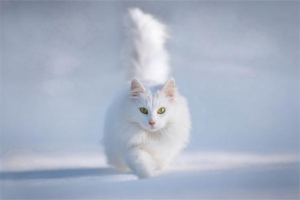
Why Do Mixed-Breed Cats Run Away from Home?
Mixed-breed cats may wander off for many reasons: a love of freedom, strong curiosity, mating urges when in heat, feeling neglected, household changes, getting lost, or illness near the end of life. A safe, loving home and neutering greatly reduce the risk.

Why Do Cats Hug Your Legs?
When a cat wraps itself around your leg it can signal different things: security, affection, joy, a request to play, a plea for protection, gratitude, or even illness. Read the context and your cat's overall condition: an energetic, bright cat is simply happy, while one that seems unwell may be asking for help.
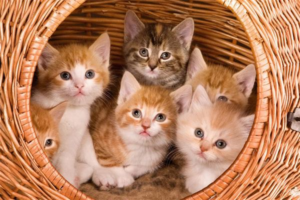
Why Do Mother Cats Get Postpartum Depression?
Postpartum depression in cats has many causes — hormonal shifts as well as environmental and personal factors. After birth, give the mother a quiet, stable environment with enough rest and affection to prevent it. If symptoms appear, get veterinary help promptly so she recovers.

What Long-Term Caging Does to a Cat
Cats are born free spirits and caging them long term harms body and mind. It causes anxiety, fear of people, and odd behaviors like over-grooming or chewing the bars; physical limits lead to stiff joints, muscle loss, obesity, heart risk, constipation, and poor bone development; little contact blunts social skills; suppressed instincts distort natural behavior; and cage life can ruin litter habits and cause odor. Caging should be rare and short, only for health or safety limits. Instead, cat-proof the home with mesh on windows and doors, give a cat tree and scratcher, litter-train, and let the cat roam free with your company.