Search Results
830 results for “spirit”

Causes and Treatment of Dog Food Bloat
What to do for dog food bloat? It relates to diet, digestion, or other diseases, so observe the cause before treating. Let's look at the causes and treatments with our veterinarian.

Why Won’t a Newly Bought Parrot Eat or Drink?
It is common for a newly bought parrot to refuse food and water for a day or two — usually out of fear of its new surroundings and a sudden change in diet. Keep the environment calm, provide food and water, and cover the cage if it stays frantic; watch for ruffled feathers, lethargy, or diarrhea, which point to a sick bird.

Can Turtle Pneumonia Spread to Other Turtles?
Can turtle pneumonia spread to other turtles? The answer is yes. Turtle pneumonia is an internal infection that spreads to healthy turtles through saliva. What are the symptoms and how is it treated? Our veterinarian explains turtle pneumonia.

How to Handle an Egg-Bound Parrot?
Egg-binding is not rare, and unresolved it threatens both egg and mother. Owners should learn handling to cope. Our team shares methods.

Cockatiel Enteritis: Signs and Treatment
Cockatiel enteritis shows as diarrhea, watery droppings, fluffed feathers, rapid weight loss, and low spirits. Without prompt care it can turn to starvation, blood in droppings, and dehydration fast, so act early.

Why Won’t My Parrot Eat?
A parrot may refuse food for many reasons - illness, fright, a full belly, poor digestion, a sudden diet change, loneliness, or weaning. Read the signs before giving any medicine, since the wrong drug can do more harm.
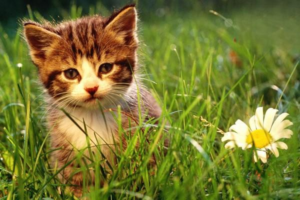
What to Do When Your Cat Suddenly Loses Energy
A suddenly listless cat may be lonely and depressed, or sick. Give it attention and outings for mood, and treat any illness behind the low energy.

Why Is Your Dog Ignoring You?
A dog that ignores its owner may be in a bad mood, pregnant, ill, or simply sensitive by nature. Watch for low energy, hiding, or other signs of sickness - if the dog seems unwell, see a vet. For mood or personality issues, rebuild trust with play, treats, and attention.

Turtle Cold: Symptoms and Treatment
Turtle colds show as dull eyes, weeping eyes, runny nose, lethargy and white material at the mouth; severe cases develop pneumonia (crusted nostrils, wheezing). Treat by severity — isolation and warmth for mild, antibiotic (gentamicin/oxytetracycline) baths for moderate, and amoxicillin by weight for severe — keeping the enclosure at 30–32°C.

Prevention and Treatment of Colds in Turtles
A turtle cold can progress to pneumonia, which is far more dangerous, so treat it promptly and watch for pneumonia signs. Isolate the sick turtle, keep the enclosure at about 30°C, and use antibiotic baths (e.g., cephalexin) or amoxicillin by weight; prevention focuses on good water quality and strong immunity.