Search Results
272 results for “small pet health”

How Many Kits Does a Rabbit Have Per Litter?
A rabbit can give birth to 3 to 12 kits per litter, with 6 to 8 being most common. But reproductive ability is shaped by many factors, including breed, age, health, and climate. Owners who plan to breed should learn the rabbit's reproductive traits and provide proper care, nutrition, and a suitable environment so the doe is in the best condition to raise a healthy litter.
How Much Feed Does a Guinea Pig Need Per Day?
A guinea pig needs about 5–7% of its body weight in food daily—so a typical 300 g guinea pig eats roughly 15–21 g. Adjust for activity, age, and health, since youngsters need more for growth. Base the diet on dry foods—hay and pellets—because too much moisture causes diarrhea; add small amounts of guinea-pig-safe vegetables and fruit for vitamins, and a vitamin C supplement, since they can't make their own. Variety and freshness keep the diet balanced and the pet thriving.

Is a Shiba Inu Suitable for City Living?
On the whole, the Shiba Inu fits city life well. A small-to-medium breed, it needs modest space and is friendly, gentle, and quietly confident—happy in an apartment. Its exercise needs are light: a daily walk or some play covers it. Diet and coat care are simple, and its short, dense fur needs only regular brushing and baths. Just give it daily outdoor time, train it not to bark so neighbors aren't disturbed, and it thrives in the city.

Are Teacup Dogs Easy to Care For?
Teacup dogs win fans with their tiny, cute looks and gentle nature, but they're fragile and low-immunity, so they need careful, attentive care. They're sensitive to temperature, so dress them warmly in cold weather, and keep up daily grooming—eye-stain cleaning and coat brushing—to stay clean. Feed a high-quality diet sized to them in controlled amounts to avoid obesity. Though small, their health needs are real: regular vet checks, vaccinations, and deworming are essential. With patience and the right know-how, they bring plenty of joy.
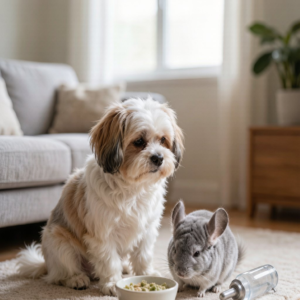
How to Relieve Gas and Bloating in Chinchillas
When a chinchilla is bloated, you can gently massage its abdomen to encourage gut movement and help gas pass. If the bloating persists or worsens, consult a veterinarian who can examine the cause and advise proper treatment. For chinchillas that bloat often, adjust the diet and offer more hay, since its fiber supports digestion and prevents gas. Feeding smaller meals several times a day instead of one large portion also slows eating and reduces digestive upset. This article covers the common signs of bloating and the practical steps you can take at home to help your chinchilla feel better.
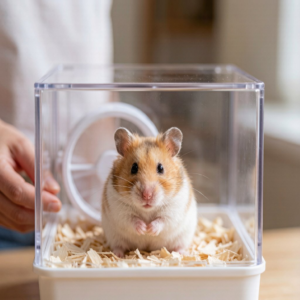
Essential Hamster Care: What Every Owner Should Know
Keeping a hamster healthy and extending its lifespan depends above all on proper husbandry. Before bringing a hamster home, owners should prepare a spacious cage with suitable bedding, a food bowl, a water bottle, and an exercise wheel, then keep the enclosure clean and disinfected on a regular schedule. A balanced diet built around a high-quality hamster mix, supplemented with small amounts of fruit and vegetables, and constant access to fresh, safe drinking water are equally important. This guide covers the fundamentals of scientific hamster care: building a comfortable habitat, providing nutritious food and clean water, maintaining a tidy living space, encouraging daily exercise, reducing stress, and managing temperature through the seasons. With the right setup and routine, even first-time owners can help their pet thrive.

100 Essential Tips Every New Cat Owner Should Know
Bringing home a first kitten is exciting but daunting, and poor care can hurt both of you. These 100 essentials cover diet (life-stage food, toxic grapes/chocolate/onion/garlic, no bones or raw meat, fresh water), daily care (brushing, nail and ear cleaning, litter hygiene, n+1 boxes), health (vaccines at 8–12 weeks, deworming, normal temperature 38–39.2°C, spay/neuter, no human meds), behavior (slow blinks, tail talk, no punishment), and home safety (screens, hiding wires, toxic plants, no smoke). Read them once and you'll share a calmer, healthier life with your cat.
Signs a Guinea Pig Dislikes Its Owner
Guinea pigs are popular small pets, but they do not always adore their owners, and sometimes they show clear dislike that leaves owners puzzled. Common signs include sharp squeals aimed at you when unhappy, and biting when they feel threatened, such as after a sudden grab or pet. A guinea pig that dislikes you will avoid coming near, refusing your food or touch, and may flee to a corner, under furniture, or scramble inside the cage when you reach for it. The causes are usually practical: an uncomfortable environment with cold or swinging temperatures, poor or unsuitable food, too little companionship for this social animal, or illness that makes it fretful. To rebuild trust, meet its basics with a cozy home, fresh food and water, and clean housing; spend more calm time together through gentle handling and feeding; learn its nocturnal habits and interact in the evening; and stay consistent and patient so it slowly learns to trust you.

What to Do If Your Dog Is Too Thin?
A thin dog is most often undernourished, but disease, digestion problems, tumors, or parasites can also cause weight loss that needs veterinary attention. Start with a high-quality, balanced diet suited to the dog's age and activity, add easily digested protein such as cooked chicken, fish, or egg, and feed smaller meals more often to improve absorption. Light daily exercise boosts appetite and metabolism. If good feeding and exercise do not help, or the dog is naturally a slender breed but otherwise healthy, a vet check rules out hidden illness.
How Accurate Are Dog Parvo Test Kits?
Canine parvovirus test kits are generally 80-90% accurate, but results depend on timing of infection, viral load, brand, and technique. In early infection or with low viral load they can show false negatives, and poor storage or handling causes errors, so clinics use them only for initial screening. To confirm parvo, veterinarians combine the kit with PCR, serology, pathology, and clinical signs such as vomiting, diarrhea with blood, fever, and lethargy. Proper use involves collecting a swab sample, applying it to the strip, waiting a few minutes, and reading the result against the instructions.