Search Results
272 results for “small pet health”

Coenzyme Q10 (CoQ10) for Dogs and Cats: Supporting Heart Health
Coenzyme Q10 is a compound central to energy production in heart muscle and an antioxidant that helps neutralize free radicals. As an adjunct to veterinary care, it is commonly used to support pets with heart disease, especially seniors and small-breed dogs at higher risk.
Traveling by Air with Your Pet
For many pet parents, a trip is no fun without the four-legged family member, but travel is stressful. Here are tips for a safe, comfortable journey.

Can Pets Eat Beets? Benefits and Safety Tips
Beets are a low-calorie root vegetable that can be a healthy occasional treat for dogs and cats. Learn the potential benefits — fiber, nitrates, betalains — and the precautions to feed them safely.

Can a Healthy-Looking Dog Carry Rabies?
A normal-looking dog is not automatically free of rabies, though the chance it carries the virus is low; rabies is caught from another rabid animal, not made by the body. Routine vaccination is what keeps both dog and owner safe.

Start with Dental Health to Keep Your Dog in Top Shape
Healthy teeth are a dog's first line of defense against mouth disease. Brush regularly with dog-safe toothpaste, and use chews, raw carrots, and dry kibble to scrub plaque between brushings.
Lionhead Rabbit: Appearance and How to Choose One
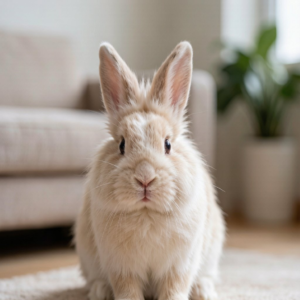
The Lionhead rabbit is small but round, with a plump body and a distinctive mane of long fur around the neck that forms a V shape like a tiny lion. Picking a healthy individual is the key to successful keeping. Avoid unweaned or very young rabbits, which are fragile and harder to raise; beginners should choose one over two months old. Knowing the breed's looks and common ailments helps you select a vigorous pet and care for it well.
How to Treat Hair Loss Behind a Hamster’s Ears
Hair loss behind a hamster's ears can come from allergies, bacterial infection, or parasites. Trim the fur around the spot, rinse it with saline, pat dry, and apply a small-pet skin cream or antibiotic ointment, watching for 3 to 5 days. If it does not improve, see a vet. Keep the cage clean and disinfect it often, and add vitamins and protein to aid recovery.
Caring for Senior Cats and Dogs: A Stage-by-Stage Longevity Plan
Cats and dogs are considered senior at around age 7, when metabolism slows and organ function begins to decline. With staged, careful care, companion pets can live an average of 2–3 years longer. This guide breaks senior care into three phases—ages 7–9, 10–12, and 13 and up—covering diet adjustments, weight control, dental and joint support, stress avoidance, and a sensible checkup schedule. The goal is not expensive supplements but steady, calm, well-planned daily care.

Why You Should Not Train a Dog to Walk Upright
A dog's body differs from a human's: its spine is more curved and lacks pelvic support, so standing and walking on the hind legs loads the lower back, spine, and rear legs with extra weight. This can cause patellar luxation, joint wear, arthritis, and cartilage damage, even spinal deformity, rear-leg deformity, or bowlegs. Severe spinal harm may lead to incontinence or paralysis, so do not train dogs to walk upright for fun.
Common Illnesses in Golden Hamsters
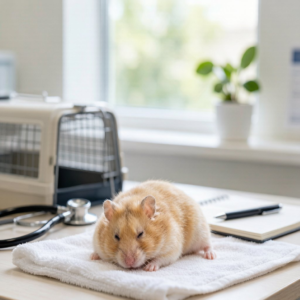
Golden hamsters commonly face skin allergies, colds, diarrhea, constipation, and eye trouble such as conjunctivitis, mostly linked to diet and environment. To lower the risk, manage food and housing carefully, keep nutrition complete and safe, and maintain a clean, dry habitat.