Search Results
529 results for “sleeping”

What Your Dog’s Sleeping Spot Says About Your Bond
Where a dog sleeps reveals how safe and attached it feels. Following you, hiding under furniture, claiming your bed, or resting calmly in its own crate each tells a different story about trust and independence.
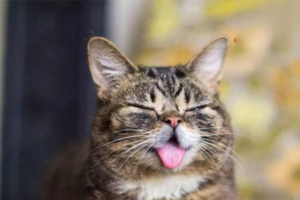
Is It Normal for a Cat to Stick Its Tongue Out Often?
A cat with its tongue out is often just adorable — and usually harmless, from a grooming interruption, a short chin, heat, or post-play panting. But frequent tongue-out with drooling, bad breath, or heavy breathing after little exercise can signal mouth disease (stomatitis, periodontal disease) or heart/lung trouble and warrants a vet check.
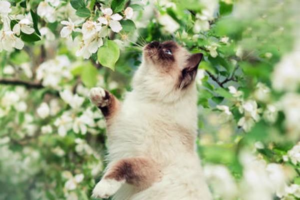
How Weather Affects Your Cat’s Mood and Health
Cats feel weather as keenly as people do, storms, cold, heat, and humidity all shift their mood and health. Watch for heatstroke and hypothermia in extremes, and keep the home between 20 and 25 C with sun, warmth, and steady routine.

How to Help Your Cat Develop Cheek Fluff
Cheek fluff, a round full face, appears mainly in male cats of certain breeds like British and American Shorthair, driven by genetics and diet, usually from 11 months on. Feed low-salt quality food, add meat and supplements, keep it active, and note neutering before fluff sets in prevents it.

Before and After Bringing a Kitten Home
Before a kitten arrives, set up one clean room with litter box, bed, food, and carrier. Keep its starter food, prepare a semi-enclosed bed, and gather grooming basics.

Helping Your Schnauzer Through the Stress Period
It is normal for a puppy to show stress after arriving home, but a few habits make the adjustment smooth: bond early through the first cuddles and daily feedings, keep the old food (soaked soft), and give it a quiet, warm, crate-like place to sleep. If mild signs like poor appetite, low spirits, or slight vomiting and diarrhea appear, stay calm, rule out infection, and let rest and a sensible diet do the work.

Is It Normal for a Cat to Sleep on Its Back?
Sleeping on its back is perfectly normal and is one of a cat's many poses; it usually means the cat feels completely safe and trusts its surroundings, since the belly is its most vulnerable spot, and it can also be a way to cool off through the sweat glands on the paws and face. Other common postures — curled up, on the side, or front paws tucked — each signal a different level of relaxation or wariness, so watching how a cat sleeps tells you how secure it feels.

Common Causes and Treatment of Ringworm in Cats, Dogs, and Rabbits
Ringworm (dermatophytosis) is a highly contagious, zoonotic fungal infection that strikes animals with weak skin immunity — especially youngsters and those in damp, dirty surroundings — and can pass to humans. Treatment means isolating the pet, clipping and disinfecting lesions, antifungal sprays or ointments (plus oral antifungals and B-vitamins for severe cases, with liver support), and thorough environmental cleaning; rabbits need ivermectin-based mite control to prevent it. Keep the home dry and ventilated, bathe sparingly with pet shampoo, and use a little sunlight to stop outbreaks before they start.

Signs Your Dog with Parvo Is Recovering
Canine parvovirus is deadly (up to 80% mortality) with enteric and cardiac forms. Recovery signs: brighter mood and appetite, falling fever, and no more vomiting/diarrhea. Prevent with vaccines from 4 weeks, deworming from 3–4 weeks, and strict disinfection of feces and bedding.

Why Your Dog’s Nose Is Dry — and What to Do
A dry nose isn't automatically illness — dogs lick to keep it moist, so it's normally dry right after waking, like our lips in the morning. But a dry nose plus low energy can signal trouble: mild cases are often 'internal heat' eased by water and a little glucose or minerals; paired with diarrhea, chocolate-colored stool, or fever and odd behavior, it may be distemper or a serious virus needing a vet and vaccines.