Search Results
960 results for “sick cat”

Bump Near a Dog’s Eye: What to Do
A bump under the eye can be skin disease or a growth, so a vet must identify it before you treat. Growths may need surgery; infected lumps respond to a vet skin spray and ointment, plus clean surroundings.
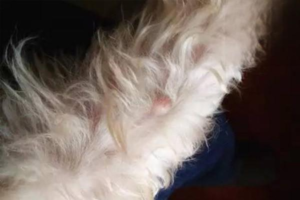
Hard Lumps on a Teddy Poodle’s Skin
A hard lump on a Teddy can come from mites, lice, fungus, mosquito bites, allergy, or eczema, and the right fix depends on the cause. A vet skin scrape under the microscope gives a certain diagnosis, so avoid guessing with medication.

Canine Parvovirus Disease
Canine parvovirus is a highly contagious disease that hits weaned-to-90-day puppies hardest and can be fatal; it appears as either an enteritis or a heart-muscle form. Fast vet care, rehydration, and immune support give the best odds.

Can Canine Distemper Be Cured?
Canine distemper is a highly contagious viral disease with over 50% mortality, but caught early it is often treatable. Symptoms move from mild fever and diarrhea to severe eye and nerve damage, so any suspected case needs immediate veterinary care.

Dog Coronavirus: Treatment and Recovery
Dog coronavirus spreads through contact with infected feces and causes sudden vomiting, diarrhea, and lethargy, with cases able to relapse 14-21 days after signs fade. Supportive care, vet-prescribed meds, and gut-resting food let most dogs recover, but severe cases need a hospital.

How Long Does Ringworm Take to Heal in a Kitten
Ringworm is a fungal, contagious skin infection that shows up most often in underweight or weak kittens. With isolation, medicated care, and good nutrition, mild cases typically clear in a few weeks, but treatment must continue until the infection is fully gone.
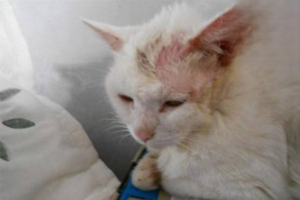
What to Do When a Kitten Has Ringworm
Ringworm is a fungal, contagious skin disease that can pass between cats and people, so isolate and disinfect at once. It shows as circular scaly patches and hair loss on the body, head, legs, and tail, with relentless itching. Treatment is shaving, topical medication, an Elizabethan collar, and a clean, well-ventilated environment plus good nutrition.

How to Treat Red Bumps on a Labrador
Red bumps on a Labrador usually come from mites, fungal infection, vitamin deficiency, or poor coat care — not random, and good hygiene prevents most. Treat the specific cause, feed a bland diet, keep the dog cool and the environment disinfected, and see a vet for widespread bumps.

Why Your Dog Vomits Thick Yellow Fluid
Thick yellow vomit usually means illness — acute gastritis or a viral infection such as parvovirus — and comes with lethargy, fever, and diarrhea. See a vet for treatment; mild cases may get medication, severe ones fluids. Encourage water, feed bland meals, and watch for dehydration or shaking.

What to Do When Your Dog’s Skin Is Ulcerating and Oozing
Skin disease can progress to ulceration and oozing—often pyoderma—if left untreated, leaving a dog miserable and off its food. Clip and disinfect the spot, apply vet-prescribed medication, and prevent recurrence through parasite control, dryness, and a clean environment. Prevention beats cure.