Search Results
960 results for “sick cat”
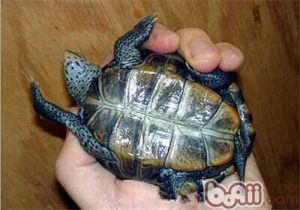
Florida East Coast Diamondback Terrapin
The Florida East Coast Diamondback Terrapin (Malaclemys terrapin) is a dark, subdued brackish-marsh turtle from Florida's Atlantic coast, uncommon in the trade. Unique among turtles, it thrives in brackish water near seawater salinity, so it is best kept in slightly brackish conditions.

Northern Ornate Box Turtle
The Northern Ornate Box Turtle is a desert-dwelling box turtle of the genus Terrapene, found in the United States and Mexico. Highly drought-tolerant, it stores water well and endures arid conditions better than other box turtles.

Emydoidea blandingii (Blanding’s Turtle)
Blanding's turtle is a semi-aquatic turtle of the Great Lakes region, gentle and cold-hardy, with a smooth black helmet-shaped shell and a yellow hinged plastron marked with black blotches. It is omnivorous and adapts well to captivity.

Pseudemys alabamensis (Alabama Red-bellied Turtle)
The Alabama red-bellied turtle is a small to medium aquatic turtle with a carapace 35–45 cm long. Hatchlings are vividly colored, but in the wild adults become dull and grayish-black; captive-bred individuals can retain their bright coloration.

Canine and Feline Cryptosporidiosis: Symptoms, Treatment, and Prevention
Cryptosporidiosis is a protozoal (coccidian) infection of dogs and cats that causes acute, watery diarrhea, vomiting, and abdominal discomfort. It is most severe in young, stressed, or immunocompromised animals and is zoonotic, so hygiene is essential.

Streptococcal Infection in Dogs: Symptoms, Treatment, and Prevention
Canine streptococcal disease is a zoonotic illness caused by a group of pathogenic pyogenic cocci. Puppies often develop an acute septicemic course through umbilical infection. Bacteremia brings fever, catarrhal to hemorrhagic enteritis, infected inflamed umbilical sites, and joint metastasis causing arthritis, ending in septicemic death.

Canine Coronavirus (CCoV): Symptoms, Treatment, and Prevention
Canine coronavirus is a highly contagious viral infection that causes acute gastroenteritis in dogs. It spreads through contact with contaminated saliva, feces, and food, and typically produces vomiting, diarrhea, and appetite loss. Most dogs recover within 7 to 10 days, but the infection is known to recur.
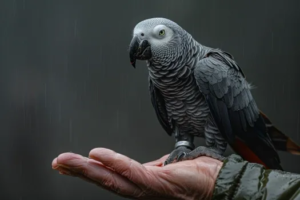
What to Do When Your Budgerigar Has Scaly-Face Mites
Scaly-face mite infestation in budgerigars starts as grayish, flaky bumps around the beak and feet and can spread to cause feather loss and beak deformity. Treat it by isolating the bird, applying petroleum jelly to suffocate the mites, and keeping the cage clean.
What are some cute and affordable dog breeds?
Before choosing a dog, think about what suits you and your life. Shelters are a great low-cost option—many dogs there are vaccinated and neutered, and adopting an adult skips the fragile puppy stage.

What to Do About Coccidia Infection in Dogs
Pet coccidia is a terrible parasite; worse is an owner who does not even know coccidia - is that you?