Search Results
960 results for “sick cat”

Disinfecting Your Cat’s Living Environment
A clean home needs routine disinfection: it curbs bacteria and odor and prevents disease. Some pathogens survive in the environment for months to years, causing repeat infection. Daily disinfection targets dishes (wash daily), beds, toys, and usual spots (weekly is fine—a little germ exposure builds resistance). Use mild agents (quaternary ammonium, potassium monopersulfate) and rinse twice after. When a cat is sick with panleukopenia, calicivirus, or ringworm, step up to a strong disinfectant for a thorough 'pathogenic' clean.
Why Cats Hide and How to Curb It
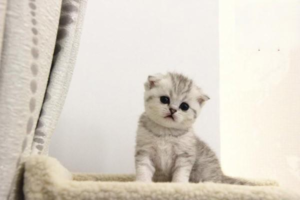
Cats are masters of hide-and-seek, and hiding is often normal—driven by fear, illness, hunting play, or the simple need for quiet rest. A new home, strangers, loud noise, social setbacks, or sickness send a cat under the bed; a stalking cat is just following instinct; a hot or cold corner is just comfort. To reduce dusty hiding, socialize the cat to the world, address pain or stress promptly, limit uncontrolled cubbyholes, and give it a cozy, enclosed bed it actually likes.

How to Prevent Tape-Sticking Stress in Cats
If a cat steps on tape or gets sticky paper on a front paw, it shakes the limb frantically, panics, and bolts—because the paw pads are vital for shock absorption, sweat-cooling, scent marking, and balance. Losing that sense is disorienting, even nauseating. You can desensitize the cat with gradual training: while petting to keep it calm, wrap tape on the paws, then soothe until it stops shaking, repeating until it calmly removes the tape with its mouth. Household 'sticky traps' then cause far less chaos—and less furniture damage.

Is a ‘Bald’ Spot on Your Cat’s Head a Sign of Stress?
Owners sometimes notice thinner fur on the sides of a cat's head (between the eyes and ears), especially in short-haired cats, and worry the cat is going bald from stress. Usually it's normal: those are scent-gland areas where many cats naturally have sparser coats. But hair loss can also be pathological—most often ear mites or ringworm. Ear mites leave dark brown discharge and itch; ringworm is a fungal infection causing round bald patches with redness and flaking. Compare the signs and see a vet early, isolating the cat if you have several.

What Your Cat’s Ear Positions Are Telling You
A cat's ears are finely tuned tools—32 muscles let each ear swivel 180° independently, and they hear up to ~78 kHz, far beyond dogs and people. Ear posture is a readable mood signal. Natural-up means calm; forward and erect means focused or curious (or puffed-up before a fight); swiveling means listening, alert if locked on a direction; 'airplane ears' flattened back mean fear or surrender; and twitching while asleep means dreaming. Reading the direction of airplane ears tells you whether the cat is submitting or about to fight.
What to Do When Your Cat Becomes Lethargic?
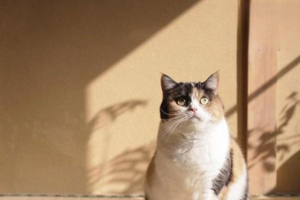
Cats are naturally quiet companions, but a sudden loss of energy is a signal worth attention. The two main reasons are emotional and physical: a cat left alone too long can grow depressed and withdrawn, while illness—from a simple cold to oral, skin, or stomach problems—drains its spark. Because lethargy is a common early sign of disease, owners should look for other clues and act. This guide explains why cats go listless and how daily companionship plus prompt veterinary care can bring your lively cat back.
How to Supplement Vitamin B for Your Cat
Vitamin B deficiency in cats frequently appears as skin trouble—especially ringworm—along with a dull coat, weight loss, and loss of appetite, and in serious cases it can progress to eye and nerve problems. Because cats cannot store or synthesize enough B vitamins on their own, daily diet matters. This guide covers the warning signs of deficiency, why human B supplements are a poor fit for cats, and safe ways to meet their needs: B-rich cat food, small amounts of fruit, thorough drying after baths, regular disinfection of bedding and surroundings, and sunlight to help keep skin healthy.

Can a Cat Catch a Cold from Sleeping on the Floor?
Sleeping on the floor doesn't automatically make a cat sick—if the room is warm and the cat is healthy, it's fine—but a cold floor in a chilly room, especially for a low-resistance cat, easily leads to a cold or even diarrhea. Cats are comfortable around 25–28°C, and they sleep 14–15 hours a day, so long floor sessions raise the risk even for tough cats. If your cat loves the floor: keep it clean, add a mat or bed where it sleeps, and set the room to a comfortable temperature. A floor nap is okay in summer to cool off, but avoid it right after a bath or illness, and skip it in winter.

What to Do When a Cat with a Cold Won’t Eat
A cat with a cold feels as miserable as a sick person and may refuse food and lose spirit. If the cold worsens it can also vomit, diarrhea, or dehydrate. Keep the cat hydrated—if it won't drink, syringe-feed water. Feed small, frequent meals that are finished within about 20 minutes to stay fresh, and choose strongly scented foods (like fish-based cans) since a stuffy nose dulls smell and appetite. A robust cat can recover from an ordinary cold with enough food, water, and micronutrients; severe viral or bacterial colds need a vet to find the cause and treat it.

Why Is Your Cat Suddenly Sleepy and Inactive?
A suddenly lethargic, sleepy cat may simply be reacting to weather or age, or it may be sick. If otherwise normal with no vomiting, diarrhea, or appetite loss, it's likely harmless. But fever, pregnancy, a respiratory infection, indigestion, or low calcium, tumors, stress, or a recent vaccination can all cause drowsiness. Measure temperature if it won't wake and eats poorly, keep a chilled cat warm, use a probiotic for gas, and see a vet for any long-term lethargy.