Search Results
420 results for “sick cat care”

Belgian Rabbit
The Belgian Rabbit, also known as the Giant Gray Rabbit or Flemish Giant, is a famous meat rabbit breed originally from Belgium. With its large build, yellowish-brown coat, and high meat yield, it is mostly raised on farms in rural areas rather than kept as a pet.

Fox
In modern society, you should not be too surprised at whatever people keep as pets. Ordinary cats and dogs no longer satisfy some people, so they choose more niche animals—the fox among them. Foxes are canids, so they can also contract canine distemper.

How to Raise Newly Hatched Turtles: What Do Hatchlings Eat?
Turtles from egg to their first winter are called hatchlings — small, sensitive, and easy to lose, so they need careful rearing. Here is when to pond them, what to feed, and how to manage water.

The Dangers of Releasing a Pet Hamster Into the Wild
Releasing a pet hamster is effectively abandoning it to death — pet hamsters lack survival skills and will starve, freeze, or fall prey. If you cannot keep it, rehome it, give it to a friend, or use boarding. When boarding, vet the place, agree on fees and care, and keep it away from loose cats and dogs.

What to Do When a Newly Bought Turtle Won’t Eat?
A new turtle refusing food is normal while it adjusts to its home, but it can also mean low temperature, deep water, or illness. Here are the common causes and how to coax it to eat.

Turtle Colds: Symptoms and Treatment
More people keep turtles as pets now. They are easy to keep but do get sick, and colds are common, so owners should know how to treat one. Here are the symptoms and treatments.

How to Tell Heatstroke and Wet Tail Apart in Hamsters
Both wet tail and heatstroke are serious and can be fatal in hamsters, and their symptoms look alike, so owners often mix them up and delay treatment. Here is how to tell the two apart.

How Long Can an Escaped Hamster Survive?
Because hamsters are so small, they can slip out of the cage easily and are hard to find afterward, leaving owners worried about their survival. So how long can an escaped hamster live? This article takes a detailed look.
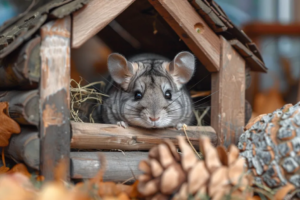
Why Is My Chinchilla Shivering? Common Causes and Fixes
A chinchilla may shiver from stress in a new, noisy home, from cold when the temperature drops too low, or from pain when it is sick or hurt. Calm and warm the environment for the first two; for pain—with signs like not eating, weeping eyes, fever, or reluctance to move—see a vet to find the cause. Most shivering falls into these three categories.
Brazilian turtle has had white-eye for almost two months, eyes won’t open, very swollen – what medicine? So sad.
Severe white-eye needs hospital care; if not possible, try at home: isolate, keep dry except for medicated baths - soak in 30 mg/L erythromycin or nitrofurazone for 30-50 min. Severe cases need systemic antibiotics like cefuroxime by injection, plus eye drainage.