Search Results
39 results for “shivering”
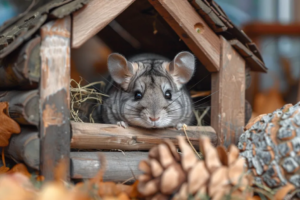
Why Is My Chinchilla Shivering? Common Causes and Fixes
A chinchilla may shiver from stress in a new, noisy home, from cold when the temperature drops too low, or from pain when it is sick or hurt. Calm and warm the environment for the first two; for pain—with signs like not eating, weeping eyes, fever, or reluctance to move—see a vet to find the cause. Most shivering falls into these three categories.
My hamster keeps retching and shivering with a cold body.
Retching and shivering in a hamster have several causes. First, an overstuffed cheek pouch can make it spit food out when grabbed or too full; this is normal, but clear leftovers so they do not spoil.
Why is my rabbit shivering?
Shivering is usually from cold or fright. Rabbits are timid and may startle at unfamiliar places or loud noises - place them somewhere quiet to settle. In cold weather, warm them to prevent chills.
Why is my dog shivering?
Common causes: cold, fear, excitement, or illness (epilepsy, neuromuscular disease, distemper). If shaking is frequent or prolonged, see a vet.

Why Is Your Dog Suddenly Shivering?
A dog that suddenly shivers may be afraid, over-excited, cold, unwell, or poisoned. Fear and excitement are normal responses that pass on their own, while cold calls for warmth. Persistent or repeated shivering can signal illness such as neuromuscular disease, chronic kidney failure, or distemper, and shivering soon after eating may mean toxin ingestion like chocolate or grapes. Calm a frightened dog, warm a chilled one, and see a vet if the shaking continues, comes with other signs, or follows a suspect meal; teach a 'leave it' cue to stop scavenging.

Why Is My Cat Shivering on and Off?
Intermittent shivering is not normal and usually means your cat is cold, unwell, or dealing with something more serious. A cold is the common cause, but lingering tremors can signal nutrient gaps or a neurological problem. Persistent or unexplained shaking should be checked by a vet.

Causes and Treatment of Cellulitis in Dogs
Staphylococcus and streptococcus are the main bacteria behind cellulitis, though some cases come from mixed putrefactive infections and usually need surgical debridement. Here are the causes and treatments of canine cellulitis.
What happens to a dog with hepatitis?
Hepatitis is usually from viral, bacterial, fungal or other infection; signs include lethargy, poor or no appetite, diarrhea, vomiting, yellow urine, gray stool, abdominal swelling or pain, fever and shivering. See a vet promptly. During treatment control diet, avoiding greasy, high-fat food to ease the liver, and ensure enough water to prevent dehydration.
Why does my dog keep trembling even when lying still?
Constant trembling may be a distemper aftereffect damaging nerves, which is incurable; keep the dog warm and cared for. It could also be cold, dreaming, or painful diseases like acute abdomen, pancreatitis, or disc disease; see a vet.
My puppy yelps in pain when I touch its chest and sometimes trembles persistently
Chest pain and trembling may be pleurisy, rib fracture, or heart disease, and a vet exam is needed for diagnosis. Blunt trauma can also fracture the chest.