Search Results
248 results for “shedding season”
When is a dog’s shedding season?
Dogs usually shed in spring (March-April) and autumn (September-October). During these times brush and clean up loose fur daily to stop the dog swallowing too much and getting hairballs. Heavy shedding then is normal, but heavy shedding outside the season likely signals a health problem, often skin disease — see a vet. Keep the diet light, avoid greasy, salty food to prevent abnormal shedding.
When Is a Cat’s Shedding Season?
Cats shed mainly in spring and autumn—roughly March–May and September–November. Kittens replace their baby coat at 4–6 months, then shed heavily each spring/autumn to adjust insulation. Shedding is much heavier then but normal. To prevent hairballs, give hairball paste and brush daily.

Helping Your Cat Through Shedding Season
As temperatures rise, cats shed heavily and fur flies everywhere—a seasonal battle every owner faces. Shedding is natural, but shaving the cat is a bad idea (it risks skin disease, chills, and ugly regrowth). Expect more hairball vomiting, and fight back with three tools: a good brush to cut daily loose fur, a lint remover (brush for furniture, roller for clothes), and a sweeper (robot, vacuum, or damp mop) for floors. A little extra hairball paste in season helps too.
How long does a cat’s seasonal shedding last?
Seasonal shedding lasts about a month; brush often and clean fallen hair to prevent hairballs. Boost nutrition for new growth and give hairball paste or cat grass to help expel hair.
How Long Does a Golden Retriever’s Seasonal Shedding Last?
Golden retriever seasonal shedding lasts 1 to 2 months, twice a year in spring and autumn. During shedding, groom often and supplement nutrition to support coat quality and growth.

Sudden Shedding: Skin Problem or Just the Season
Every cat sheds, long- or short-haired, and you can't stop it completely, only reduce it by finding the cause. Seasonal change, the wrong shampoo, or stress are the usual reasons. Brush more during sheds and pick a cat-specific wash to protect the coat.

Is Your Cat Shedding Just From the Season
Shedding has many causes beyond the seasonal coat blow, from poor nutrition to mites and ringworm. Tell the difference by the pattern: even, whole-body loss is normal, while patchy loss with scratching needs treatment. Good food, isolation, and a clean home keep excess shedding in check.
My dog is shedding heavily even though it’s not molting season — what’s going on?
Off-season heavy shedding in a Poodle is usually a skin condition — look for scabs, hair loss, itching, dandruff, redness, or rashes, treatable with a topical ointment on the affected area. If none of those signs are present, it may be a lack of trace nutrients or the natural molt, in which case supplementing vitamins and trace minerals helps.

Why Is My Dog Shedding So Much It’s Going Bald
Shedding is normal, but heavy, patchy hair loss usually points to an underlying cause such as seasonal change, aging, a salty diet, a skin infection, or a vitamin and mineral shortfall. Regular brushing and bathing keep the coat healthy and lower the risk of skin disease.
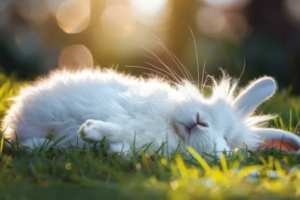
What to Do When Your Rabbit Is Shedding
Rabbit shedding is usually seasonal and harmless, but patchy hair loss with heavy dandruff, red spots, or sores signals a skin condition that needs a vet. During a normal coat change, brush your rabbit often and clear away loose fur to prevent hairballs—and skip human shampoos and unneeded medication.