Search Results
248 results for “shedding season”
Thinking of Getting a Blue British Shorthair? Here’s What You Should Know
Before getting a blue British Shorthair, weigh three things: heavy shedding (a short coat that still ranks near the top for hair loss, so brush often), a slow metabolism that makes obesity easy (diabetes, joint wear, heart strain), and inherited diseases — polycystic kidney disease, progressive retinal atrophy, hypertrophic cardiomyopathy — that genetic screening can catch before you bring one home.

Springer Spaniel: Pros and Cons
Springer Spaniels are friendly, smart, energetic, alert, and loyal — great family and working dogs — but they need regular grooming, high exercise, ear care, and firm training, and can be overly exuberant, stubborn, or prone to hip dysplasia. Match the breed to your lifestyle before committing.
Is Cat Hairball Vomiting Good or Bad?
An occasional hairball is not a 'good' thing — it's just the body clearing built-up fur. If vomiting is rare (once every 1–2 months), the cat stays lively with normal eating and the vomit is only fur and a little mucus, there's little to worry about. But frequent vomiting, or signs like lethargy, poor appetite, diarrhea, or weight loss, often point to a gut problem and warrant a vet visit.
Is it okay for a cat to eat only cat food?
Yes — good-quality cat food contains all essential nutrients, so a healthy cat can thrive on kibble alone. Choose high-quality food and add a nutritional paste during shedding.
Why Does Cat Fur Become Matted and Hard?
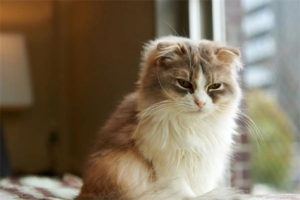
Matted, hardened fur is a common and frustrating problem for many cat owners, and it can seriously affect a cat's comfort and appearance. The issue usually stems from poor grooming habits, an unbalanced diet that lacks essential vitamins and protein, or underlying health problems such as skin infections, inflammation, or fungal disease. When fur is not brushed regularly, loose hairs tangle together and trap dirt, forming tight, stiff mats. In most cases the problem can be prevented and improved through daily brushing, a balanced diet, and routine professional grooming. However, if matting appears together with skin redness, hair loss, or other abnormal signs, a timely visit to the veterinarian is the safest approach.

Diet Tips for Caring for a Scottish Fold
The Scottish Fold wins fans with its uniquely curled ears, but those same ears demand gentle handling and the breed has its own feeding needs. Beyond the signature look, these cats are fastidious and benefit from a thoughtful diet. From liver for vitamin A to controlled high-fat food during shedding and plain boiled fish broth, here is what to know about feeding a Scottish Fold well.
The Complete Guide to Brushing Your Cat
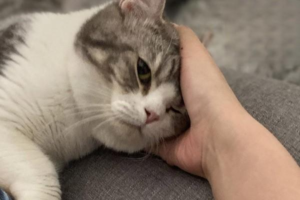
Brushing is essential: it prevents hairballs by removing loose fur, keeps the home cleaner, lets you spot skin problems or parasites early, and strengthens your bond. Pick longer teeth for long-haired cats (rake comb, long-pin slicker) and short, rounded tips for short-haired cats. The seven common comb types each have a job — de-matting, de-shedding, fleas. Brush gently with the coat, about 15 minutes per session, and make it a calm, rewarding experience so your cat learns to enjoy it.
Hairballs: What Every Cat Owner Should Know
Cats groom constantly, and their barbed tongues pull loose fur into the stomach—making hairballs unavoidable. Normally the fur passes in stool or comes up as a vomit with a wet clump; trouble starts when it builds up. The best defenses are frequent brushing to cut intake, cat grass (wheat, barley, oat seedlings) whose fiber helps move fur through the gut, and hairball paste that lubricates with glycerin so the cat passes it. This guide explains why hairballs form and how to prevent them.

Lop Rabbit
The Lop Rabbit — one of today's most popular pet rabbits — is named for its ears that hang down. Gentle, small, and people-friendly, it is short-lived (usually 5–7 years) and heat-sensitive, needs daily grooming of its dense coat and drooping ears, and must never be picked up by the ears.

Cat Grass vs. Catnip: What Is the Difference?
As carnivores, cats occasionally need to eat grass too. Here is how cat grass differs from catnip, and whether they are safe to feed often.