Search Results
94 results for “seniors”
Dog CoQ10 Buyer’s Guide: What Actually Makes a Product Work
CoQ10 supports heart-muscle energy and acts as an antioxidant, but a dog only benefits if the supplement actually contains a real, absorbable dose. With products ranging from a few dollars to several hundred and quality all over the map, the smart move is to judge a product by its label and testing — not by marketing or country of origin. This guide explains how to tell a working formula from an empty one and which dogs are most likely to need it.
CoQ10 for Cats and Dogs: Food Sources, Benefits, and Who Needs It
Coenzyme Q10 (CoQ10, or ubiquinone) is a fat-soluble compound that helps cells make energy and is concentrated in high-demand organs such as the heart, liver, and kidneys. Most healthy pets make enough on their own, but seniors, certain breeds, and pets with heart conditions may benefit from supplementation. This guide covers what CoQ10 does, which foods naturally contain it, which pets are most likely to need a supplement, and the key safety precautions to keep in mind.

Choosing a Quality CoQ10 Supplement for Pets
Coenzyme Q10 is a nutritional supplement that supports heart-muscle energy and reduces oxidative stress, but it is not a substitute for prescribed heart medication. When selecting one, look for independently verified CoQ10 content and a clean, naturally fermented source.

Coenzyme Q10 (CoQ10) for Dogs and Cats: Supporting Heart Health
Coenzyme Q10 is a compound central to energy production in heart muscle and an antioxidant that helps neutralize free radicals. As an adjunct to veterinary care, it is commonly used to support pets with heart disease, especially seniors and small-breed dogs at higher risk.
How long does a cold last in an adult dog?
An adult dog's cold usually improves in 3-5 days, faster with prompt care. Here is the timeline.
What happens if a dog eats lobster?
Lobster can cause allergy, gut blockage or upset in dogs. Here is how to feed it safely.

Common Oral Diseases in Cats
To live, a cat must take food and water by mouth. If trauma, foreign body, periodontal disease, stomatitis, or immune disease causes oral disease, the cat cannot eat, lacks nutrition, and may struggle to survive.
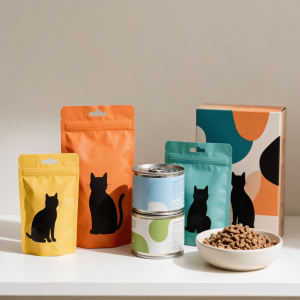
How to Choose Cat Food
Every new owner has struggled with choosing cat food - worrying about ingredients, toxic food, harm to the cat. My advice: spend within your means.
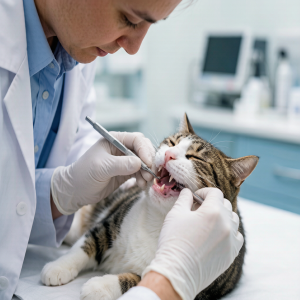
Common Feline Oral Diseases and Care
The mouth is vital for cats - for food, water, and defense. Oral disease makes survival hard.

Why Your Dog Suddenly GASPS or Hiccups
Sudden repeated inhalations in dogs are usually coughing from an upper respiratory infection, a foreign object, a collapsing trachea, or heart disease. Matching the sign with other symptoms helps you decide whether a vet visit is needed.