Search Results
181 results for “senior dog health”

How to Choose a CoQ10 Supplement for Pets
CoQ10 only helps the heart if it is taken correctly and in enough amount. Pets with heart disease show lower CoQ10 levels, and veterinarians commonly add it to prescribed medication as long-term support; seniors over about 7, obese animals, and high-risk breeds (Toy Poodles, Pomeranians, Maine Coons, Ragdolls) benefit most. Because the heart is the body’s highest-energy organ, a deficient dose is essentially wasted—especially since older pets absorb less. When choosing, look for a clearly labeled, well-absorbed dosage from a yeast-derived source, combined antioxidants (fucoxanthin, olive, astaxanthin, vitamins C and E), and a pet-specific form. Avoid three traps: substituting human CoQ10 (some contain pet-toxic xylitol), using it to replace prescription drugs, and inconsistent use.

Do West Highland White Terriers Bark a Lot? Yes — Here’s Why
West Highland White Terriers are vocal dogs. Bred as terriers in Scotland to hunt small rodents, they were selected to alert their handlers with barks, and that instinct remains strong. Westies bark out of alertness, pent-up energy, attention-seeking, seasonal restlessness, or as a sign of pain. The good news is that barking is manageable: daily exercise, a "quiet gets rewarded" system, desensitization to common noises, early socialization, and ruling out health issues all make a big difference. A sudden change in barking paired with other symptoms can signal discomfort and warrants a vet visit.
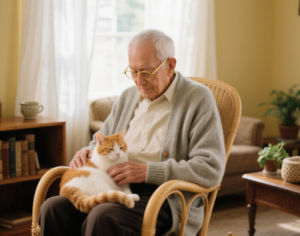
Why Are Cats Raised by Elderly Owners So Calm and Obedient?
Cats kept by elderly owners often seem gentler and more obedient than the lively pets raised by younger people, and the reason is rooted in pet behavior science. Cats love calm, predictable routines, and an older person's slow, regular daily rhythm gives them a sense of safety that lowers their guard. Seniors also provide the 'effective companionship' cats value most—short, low-intensity interactions like petting and soft talk scattered through the day—rather than infrequent marathon play sessions. On top of that, elderly owners tend to be gentle yet consistent: they neither shout nor overindulge, setting clear rules while offering unconditional acceptance. This calm, secure environment lets a cat relax and show its sweetest side.

Why Is My Hamster Losing Fur?
Hamsters have less fur than cats or dogs, but they still shed, and hair loss often points to an underlying health issue. Seasonal molting is normal and the coat regrows quickly. Older hamsters naturally thin out and won't recover even with coat supplements. A poor diet, too few vitamins or unbalanced fats, triggers hormonal imbalance and shedding, so feed quality pellets and limit treats. Cramped cages cause stress and friction hair loss, and skin disease or parasites also contribute; treat parasites with a dewormer made for small pets.

Thinking of a Golden Retriever? Know This First
The Golden Retriever is smart, gentle, and friendly, and with training can work as a guide or search dog. But it sheds heavily, drools, has a strong odor, eats a lot, and needs at least 1–2 hours of exercise daily or it turns anxious and destructive. It's also prone to hip dysplasia, obesity, ear infections, and eye disease. Know the real commitment before you bring one home.

Why Does a Golden Retriever’s Nose Lose Color?
A Golden Retriever's nose can fade for many reasons: too little sunlight, cold weather, aging, genetics, poor nutrition, allergy, or a past injury. Cold-season and genetic fading are normal and need no action, and senior dogs simply show natural aging. But if fading comes from lack of vitamins and minerals or from allergy, step in to prevent bigger problems. Provide sun time, a balanced high-quality diet, and see a vet if allergy is suspected.

When Your Pet’s Heart Is Weak: CoQ10 as Part of the Plan
Heart problems are the quiet killers of pet health — by the time a dog pants after a short walk, coughs at night, breathes from the belly, or shows purple gums, heart failure may already be mid-stage and medication-only. CoQ10 is not a cure, but it is far from a placebo: it powers heart contraction, acts as a strong antioxidant, and declines with age. This guide covers the warning signs, the breeds at risk, and how CoQ10 fits into a real care plan.
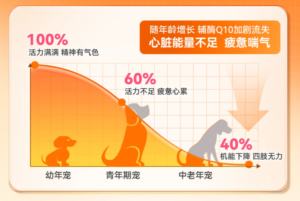
Choosing a Pet CoQ10: Skip the Hype, Pick What Works
As pets reach middle and old age, heart care becomes unavoidable — especially for overweight cats and dogs and for breeds prone to heart disease such as Siamese and Ragdoll cats, Toy Poodles, Pomeranians, and Cavalier King Charles Spaniels. CoQ10 is a core heart nutrient and appears in veterinary cardiac plans, but the crowded market makes choosing hard. This guide explains what CoQ10 does and the three points that separate a working product from a hype-driven one.

How to Choose a Safe Cat CoQ10 Supplement
Feline heart disease is more common and more silent than many owners realize: hypertrophic cardiomyopathy affects roughly 11–16% of cats overall and a much higher share of high-risk breeds, often with no obvious signs until heart failure is already underway. CoQ10 supports heart-cell energy and is a popular preventive, but the market is uneven. This guide sets out three practical safety standards and the common pitfalls to avoid when choosing a product.

Symptoms and Treatment of Demodicosis (Mange) in Pets
Demodicosis (red mange) is a skin condition caused by mites that live in hair follicles. Most pets carry them harmlessly, but an overgrowth causes hair loss, blackheads, and crusting. Learn the signs, how it is diagnosed, and how it is treated.