Search Results
29 results for “selamectin”
A Guide to Dog Dewormer Types and Active Ingredients
Spring warms the environment and multiplies parasites, and outdoor dogs are especially exposed to internal and external worms that cause poor nutrition, itchy skin, and organ damage. Deworming also protects people—some parasites spread to humans. With many brands and types, the smart move is to choose on proven ingredients and safety, not fame. This guide walks through the common active-ingredient classes—imidacloprid plus moxidectin, selamectin, fipronil, milbemycin, isoxazolines—and how to pick and dose safely for lasting protection.

Skin Disease in Collies and Other Herding Breeds: Why Medication Must Be Chosen Carefully
Collies and related herding breeds often carry an MDR1 gene mutation that prevents normal drug clearance, making them dangerously sensitive to certain parasiticides such as ivermectin. Skin problems are treated as in any dog, but parasite control and other medications must be chosen with a veterinarian to avoid toxicity.

Lice Infestation in Dogs and Cats (Pediculosis): Symptoms, Treatment, and Prevention
Lice are external parasites that cling to the skin and coat of dogs and cats, causing itching, hair loss, and skin irritation, with heavy infestations leading to anemia and poor condition. They are species-specific and controlled with parasiticides plus environmental cleaning.

Ear Mite Infestation in Dogs and Cats (Otodectic Mange): Symptoms, Treatment, and Prevention
Ear mites (Otodectes cynotis) are highly contagious parasites that infect the outer ear canal of dogs and cats, causing intense itching, head shaking, and dark waxy debris. Treatment combines ear cleaning with parasiticides and control of secondary infection.

Demodicosis in Dogs and Cats (Demodectic Mange): Symptoms, Treatment, and Prevention
Demodicosis is a skin disease caused by Demodex mites living in hair follicles and oil glands, producing localized or widespread hair loss, redness, and scaling. Most dogs carry the mites harmlessly, but stress, illness, or immune weakness allows outbreaks that need veterinary antiparasitic treatment.

Sarcoptic Mange in Dogs and Cats (Scabies): Symptoms, Treatment, and Prevention
Sarcoptic mange is a highly contagious skin disease caused by the burrowing mite Sarcoptes scabiei, leading to intense itching, redness, hair loss, and crusting. It spreads by direct contact and is treated with parasiticides plus control of secondary infection.

Canine Heartworm Disease (Dirofilariasis): Symptoms, Treatment, and Prevention
Heartworm disease is caused by Dirofilaria immitis, transmitted by mosquitoes, and lives in the heart and pulmonary arteries of dogs (and cats). It is preventable with monthly preventives; adult infections require careful veterinary treatment.
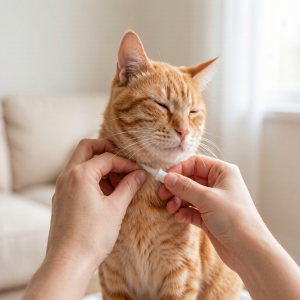
Do Cats Need Deworming in Winter?
Parasites stay active even in winter, so year-round deworming matters. Fleas, ticks, heartworm, and intestinal worms can all affect cats during the cold months, and several safe topical and systemic products are available.

Cat Deworming: Methods and Timing
Parasites are among the few cat illnesses you can actually prevent. A regular deworming schedule protects your cat — and since many parasites are zoonotic, it protects you too. Here is what to know about internal and external parasites and when to treat.
- « Previous
- 1
- 2
- 3