Search Results
28 results for “selamectin”
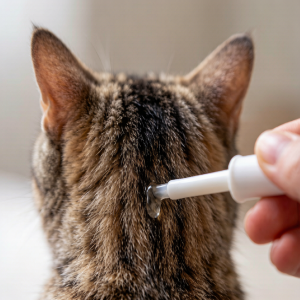
How to Use Revolution (Selamectin) on Cats
Dog flea or tick products are not recommended for cats, because certain ingredients are toxic to cats. However, the product Dog Revolution (selamectin) is safe for cats if the dose is appropriate. This article explains how to use the dog-strength product on cats to save money.
Cat Ear Mites vs Ear Wax: How to Tell and Treat
Ear mites and ear wax are different problems that look alike, so owners often mix them up and delay treatment. Ear mites are a parasitic infection causing intense itching, black or coffee-colored debris, and inner-ear inflammation. Normal ear wax is pale yellow or brown, scant, and does not itch. If mites are present, clean the ears with a flushing solution, apply a miticide, and treat the cat for external parasites. Use an Elizabethan collar during care, and isolate in multi-cat homes because mites spread easily.
How to Choose a Parasite Treatment for Cats and Dogs
Parasites are among the most common yet overlooked threats to pet health—even indoor cats can carry fleas, ear mites, or intestinal worms. With many combined internal-and-external products on the shelf, the key is choosing one that is safe, effective, and practical for year-round use. This guide explains why regular control matters, the four points that should drive any choice, the main active-ingredient classes owners will meet, and how to match a product to a pet's age, lifestyle, and parasite risk. Always confirm the right product with a veterinarian.
Can Deworming Kill a Cat? Understanding the Rare but Real Risk
In one reported case, a cat given both a topical and an oral dewormer at the prescribed dose vomited severely through the night and died of dehydration despite IV fluids. It is rare, but it shows deworming is not trivial. Possible causes: an acute allergy to ingredients like albendazole or selamectin (throat swelling, breathing failure, anaphylactic shock); hidden liver or kidney disease that slows drug clearance, worsened by using both products together; stress from rough handling triggering latent illness; and poor management of complications like prolonged vomiting causing low potassium or aspiration pneumonia. To stay safe: dose strictly by weight and age, space topical and oral products 3-5 days apart, and rush to a vet if vomiting exceeds twice an hour.
Choosing a Cat Dewormer: Why Combination Spot-Ons Suit Multi-Cat Homes
For mostly-indoor cats, a broad-spectrum, gentle combination spot-on is the most cost-effective and stress-free choice—and because most cats hate pills, a transdermal drop avoids force-feeding and the anxiety it causes, which is ideal for beginners and multi-cat households. Useful active types include imidacloprid-moxidectin (prevents a dozen-plus internal and external parasites and heartworm), fipronil-methoprene-eprinomectin-praziquantel (adds tapeworm and tick coverage for outdoor or raw-fed cats), and selamectin (very gentle from six weeks, pregnancy-friendly). In a multi-cat home the real work is operational: deworm all cats together, dose strictly by weight, use an Elizabethan collar and separation to stop licking, and avoid baths 48 hours around treatment. Above all, prevention beats treatment.
How to Choose a Safe Dewormer for Dogs
When picking a dog dewormer, safety beats brand fame, price, or reviews. Weak off-brand products vary in purity, absorption, and residues, and can cause vomiting, diarrhea, lethargy, or skin redness. Judge a product by three things: gentle, compliant, pet-specific ingredients with low toxicity; a precise spectrum covering fleas, lice, mites, roundworm, hookworm, and heartworm prevention; and broad adaptability with very low side effects, including for puppies, adults, and pregnant or lactating dogs. Common active types include imidacloprid-moxidectin spot-ons, fluralaner (an isoxazoline) for long-acting tick and flea control, selamectin for sensitive dogs, and oral fenbendazole-pyrantel-praziquantel for broad internal coverage. Avoid three mistakes: over-frequent or stacked dosing, treating only after you see parasites, and buying unlabeled “no-name” products.
Does Bathing a Cat Replace Deworming?
A clean cat is not a parasite-free cat. Bathing only rinses away a few adult fleas or lice—their claws grip the hair root, so most adults stay put, and eggs and larvae are far too small to wash out. Ticks are worse: their mouthparts bury deep in the skin and need a tool to remove, not a rinse. Mites living under the skin or in the ear canal also survive a bath. And internal parasites—roundworm, hookworm, tapeworm, heartworm—live in the gut, blood, and heart, unrelated to how the coat looks. On top of that, cats should not be bathed often; frequent washing disrupts skin oils, dries the coat, and invites bacterial or fungal infection if not dried. This article explains why deworming is still essential, even for indoor cats, and a sensible schedule.
Best Parasite Treatments for Cat Ear Mites
Cat ear mites are a common parasite that causes intense itching and dark, waxy debris; left untreated they can lead to secondary bacterial infection, otitis media or interna, and hearing loss, while constant head-shaking and scratching risk ear hematomas. The key treatment is a parasiticide—but not every product kills ear mites, so checking the label’s spectrum matters. In general, spot-ons containing imidacloprid-moxidectin or selamectin work well at home, also covering scabies, demodex, fleas, lice, roundworms, hookworms, and preventing heartworm, with a gentle, stable profile. A typical plan is one dose every 21–28 days for three rounds to stop recurrence. Early on, a cleaner or miticide with compound nystatin helps soothe and disinfect the ear.
How to Choose a Combined Parasite Treatment for Your Cat
Even indoor cats catch parasites—fleas, ear mites, roundworms, and mosquito-borne heartworm all reach them. Combined spot-ons treat inside and out in one dose without pills, which is why they are the top choice for house cats. The real question isn't 'which brand' but 'which active ingredients fit your cat's risks.' Here is the science, minus the marketing.
Are Combined Flea-and-Worm Treatments Right for Your Dog?
Combined spot-on treatments protect against many internal and external parasites in one dose, which is why they are a top choice for busy owners. But they are not universal—many don't cover ticks or tapeworms, and timing matters. This guide explains how they work, how to match the active ingredients to your dog's risks, and how often to dose.