Search Results
140 results for “sea turtle”
What Are the Differences Between Tortoises and Sea Turtles?
Tortoises and sea turtles differ greatly in form, habitat, and habits, even though both belong to the order Testudines. Tortoises live on land, needing only occasional soaking and unable to stay in water long; sea turtles spend life at sea, coming ashore only to lay eggs and bask. A tortoise's shell is thick and domed, with short sturdy legs that bear its weight; a sea turtle's shell is thin and smooth, with long front flippers. Tortoises can pull their limbs inside when threatened; sea turtles cannot. Both are omnivorous, but tortoises eat roots, leaves, fruit, and vegetables, while sea turtles favor seaweed. Knowing these differences helps any keeper care for them correctly.

Hawksbill Sea Turtle
A beautiful but fierce sea turtle hunted for its 'tortoiseshell' shell for centuries - now critically endangered and rare in Chinese waters. Profile is educational only; not a pet.

Green Sea Turtle
The classic sea turtle of tropical seas and a conservation success story in progress - a protected, ocean-going species that belongs in the wild.

Leatherback Sea Turtle
The largest of all turtles and a pelagic ocean wanderer - a critically threatened, protected species that belongs in the wild, not in a tank.
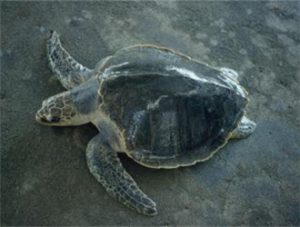
Olive Ridley Sea Turtle
The Olive Ridley (Lepidochelys olivacea) is the smallest and most abundant of the sea turtles, ranging across the warm Pacific from the Gulf of California to Chile and north to southern Japan. Once heavily taken for food, its numbers have fallen, and it is now a Class II protected species in China.
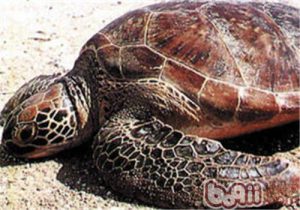
Loggerhead Sea Turtle
The loggerhead sea turtle (Caretta caretta) is a large marine turtle found in the warm temperate waters of the Atlantic, Pacific, and Indian Oceans. Historically overharvested for its meat and eggs, it is now listed as a protected species under international and Chinese law.
How to Prevent Parasite Disease in Turtles
Turtles can develop parasite disease, and the risk rises in the hot summer months, so prevention belongs in every keeper's routine. Common parasites—tapeworms, coccidia, roundworms, and others—live in the gut, lungs, liver, and more, stealing nutrients and weakening the turtle until it wastes away. Good hygiene, quarantining new arrivals, and prompt deworming are the core defenses. This guide explains the parasites, their symptoms, and the practical prevention and medication steps that keep your turtle healthy.

Treating and Preventing Turtle Water Mold Disease
Poor water quality from leftover food and waste is the root cause of turtle water mold, usually from poor management. Treatment uses antifungal medication—povidone-iodine applied topically, diluted soaks, gentle brushing, or in severe cases miconazole ointment with dry-docking—always keeping the environment at 28–32°C. Prevention means sunlight, prompt cleanup of food waste, regular water changes, and isolating sick turtles. Do not confuse water mold with normal shedding.

Can Water Mold Disease in Turtles Be Avoided? (Causes & Prevention)
Water mold disease is preventable. Although Saprolegnia is widespread in water, its presence alone does not cause the disease—infection requires a wound. A healthy, uninjured turtle will not get water mold, so the key is good husbandry: smooth enclosures, regular sunlight, balanced nutrition, and clean water. Early signs include gray-white spots and white fuzzy growths on the skin and shell; untreated, the disease progresses to swelling, ulcers, appetite loss, and death.

How to Prevent and Treat Water Mold Disease in Turtles
Prevention is the cornerstone of managing turtle water mold, and the root of prevention is avoiding injury—a turtle without wounds rarely develops the disease. Already-infected turtles must be isolated and treated promptly based on their condition. Practical steps include smoothing tank decorations, avoiding mixed-keeping of mismatched turtles, and keeping water stable rather than merely clean. Early isolation and wound care stop the fungus from taking hold.