Search Results
147 results for “scent gland”

How Dogs Communicate
Dogs are pack animals that read rank and show love through instinct, scent, and body language. A wagging tail, a rolled-over belly, or a tucked tail each say something specific — learning these signals helps you respond to your dog's feelings.

Why Dogs Lick Their Owners: What Those Licks Really Mean
Licking releases calming endorphins in a dog's brain, so it often starts as pure pleasure — but the behavior carries many messages. A lick can signal affection, anxiety, a request, grooming, a food smell, an itch, or even pain, so the context decides what your dog is really saying.

Understanding Normal Rabbit Behaviors
Knowing a rabbit's normal behaviors helps breeders spot problems early and respond in time. Key patterns include feeding and drinking, nursing, cecotrophe (soft stool) eating, and territorial marking. Recognizing what is typical versus abnormal is essential to rabbit health and productive husbandry.
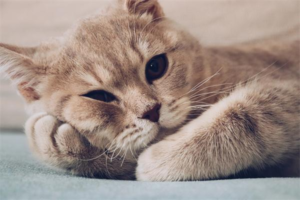
Should a Cat’s Nose Always Be Wet?
A moist nose is normal for a cat, but a dry one is not automatically a problem — low humidity, heat, or just waking from sleep can dry it briefly. Persistent dryness with other signs such as lethargy, sunken skin, or fast breathing may point to dehydration or illness and warrants a closer look.
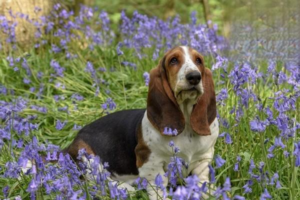
Why Do Dogs Love Socks?
Ever lost a sock? For owners, lost socks aren't the worry - whether the dog ate it is. Since a dog steals socks for itself, not to wear, today we look at why.

Why Does My Dog Poop While Walking?
Today we look at a odd bathroom habit: why do dogs poop while walking?

Why Is a Dog’s Nose Cold?
A dog's pride is its nose - it smells and even senses temperature. A wet nose gathers scent and cools inhaled air.
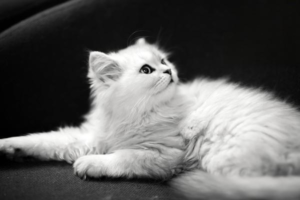
The Cat Nose You Didn’t Know About
A cat's nose is cute and damp - pink, black, blue, or patched. Combined with fluffy fur, it's pure harmony. But do you know what role the nose plays in a cat's world? Let's find out.

Is Deworming Dogs Difficult?
Dogs, unlike people, love to sniff and lick the ground, raising their chance of eating parasites and pathogens far above ours. Their thick coat is also a warm harbor for fleas and lice.

What to Do About a Smelly Cat Behind
Have you ever smelled anal-gland secretion? One day I traced a sour stench to a splatter on my desk drawer — until my cat shoved its rear in my face.