Search Results
717 results for “saline”
Why is my cat tearing up or have watery eyes?
Causes: irritants, eye disease, odors, allergies, respiratory infection. Flush debris with saline; red or swollen eyes need a vet.

Why Are Your Cat’s Eyes Red?
Red eyes in cats have many causes, including injury, foreign objects, ingrown lashes, keratitis, corneal damage, and new corneal blood vessels, each needing different care. If you see redness, check for debris and rinse with saline, then use a pet eye drop; if redness comes with other signs, see a vet. Conjunctival congestion from conjunctivitis or corneal injury eases with decongestants, while deeper ciliary congestion from severe corneal damage, uveitis, glaucoma, or tumors needs diagnosis. Viral colds with eye redness also bring sneezing and discharge.
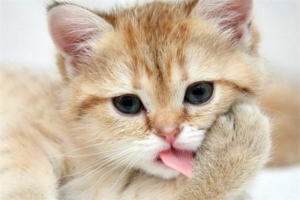
Why Your Cat’s Eyes Keep Getting Inflamed
Frequent feline eye inflammation often starts with a dirty, dusty home that lets bacteria or fungi take hold, or with injuries from branches and grass during play. Allergies to pollen, dust, or food can trigger it, and some cats are born with eyelid deformities like entropion or ectropion that invite infection. Have a vet confirm the cause and treat with medication or surgery when needed. At home, keep the environment clean, limit outdoor risks, and wipe the eyes regularly with saline to cut down on dust and bacteria.

Spiny Turtle
The 'sun turtle' - a bizarre, spiky juvenile that sadly loses most of its spikes with age. CITES II and wild-imported specimens often arrive near death; a delicate, specialist turtle.
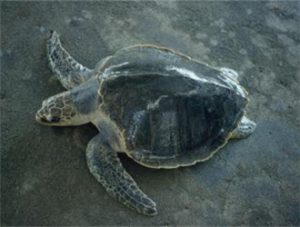
Olive Ridley Sea Turtle
The Olive Ridley (Lepidochelys olivacea) is the smallest and most abundant of the sea turtles, ranging across the warm Pacific from the Gulf of California to Chile and north to southern Japan. Once heavily taken for food, its numbers have fallen, and it is now a Class II protected species in China.

Canine and Feline Otitis Externa
Otitis externa is inflammation of the outer ear canal, commonly triggered by ear mites, foreign material, or improper cleaning that lets bacteria or fungi take hold. Treatment means cleaning the canal and tackling the underlying cause, with surgery reserved for chronic, end-stage cases.

Canine and Feline Globe Prolapse (Eye Protrusion)
Globe prolapse occurs when the eye is forced out of the socket, most often from fighting or blunt trauma and especially in short-nosed breeds. Prompt replacement offers the best chance of saving the eye; badly damaged or infected globes may require surgical removal.

Canine and Feline Nasolacrimal Duct Obstruction (Epiphora)
Nasolacrimal duct obstruction blocks normal tear drainage in dogs and cats, causing chronic epiphora (tear overflow) and facial staining. Congenital duct atresia usually needs surgical correction, while acquired obstruction from conjunctivitis or injury is managed by treating the underlying cause.

Interdigital Cysts in Dogs and Cats: Symptoms, Treatment, and Prevention
Interdigital cysts (interdigital furunculosis) are a chronic inflammatory skin condition of the paws, not true cysts, starting as small papules between the toes that enlarge, suppurate, and form nodules causing pain, lameness, and licking. Antibacterial care controls it; stubborn cases need surgical removal of the web.

Suppurative Arthritis in Dogs and Cats: Symptoms, Treatment, and Prevention
Suppurative arthritis is infection of a joint by pyogenic bacteria, either carried in the blood or introduced through a penetrating wound, causing hot, painful swelling, fever, and lameness. Prompt drainage and antibiotic therapy are essential to save the joint and prevent spread; untreated it can rupture through the skin.