Search Results
717 results for “saline”

What to Do When Your Rabbit’s Ears Are Red, Itchy, and Scratching
Red, itchy, constantly scratched ears usually mean ear mites or an ear infection in rabbits. Because the problem is contagious, isolate the sick rabbit and disinfect its belongings first. Soften and remove crusts with ear cleaner or saline, treat the inner ear with a rabbit-safe cleanser, and fit an Elizabethan collar so it can't keep scratching. Boost recovery with vitamins and keep the habitat dry and well-ventilated; see a vet if there's no improvement.
Treating a Dog’s Vomiting from Heatstroke
For a dog vomiting from heatstroke, move it to a cool, airy spot and lower its temperature with cool (not ice-cold) water or alcohol wipes—too-cold water traps heat by clamping vessels. Keep the neck extended to ease breathing, give oral saline, and stop cooling once normal temperature returns. Clear vomit from the mouth and keep the head low to prevent aspiration pneumonia.

Why Is My Dog’s Eye Swollen?
A swollen dog eye can come from many sources: a diet that's too salty or dry (so-called 'internal heat'), minor bumps and scratches from play, a stray eyelash or dust, strong odors, or an actual eye infection like conjunctivitis. Mild cases often improve with a gentle clean, a saline rinse, and dog-specific eye drops, but swelling with redness, discharge, or no improvement after a few days should be checked by a vet. Acting early prevents minor irritation from becoming a serious infection.

Treating and Preventing Turtle Water Mold Disease
Poor water quality from leftover food and waste is the root cause of turtle water mold, usually from poor management. Treatment uses antifungal medication—povidone-iodine applied topically, diluted soaks, gentle brushing, or in severe cases miconazole ointment with dry-docking—always keeping the environment at 28–32°C. Prevention means sunlight, prompt cleanup of food waste, regular water changes, and isolating sick turtles. Do not confuse water mold with normal shedding.
What should I do if my dog’s genitals are inflamed?
Genital inflammation in dogs is usually caused by a bacterial infection. Rinse the area with saline or an ofloxacin solution to clear discharge, then apply a dog-specific genital care lotion and ointment, and fit an Elizabethan collar to stop licking. If symptoms are severe, see a vet for oral or injectable anti-inflammatories.
My dog disappeared for a day and came back with these bumps — does anyone know what they are?
Small, round pustules on a dog's belly are usually superficial pyoderma caused by a bacterial infection, often triggered by a damp environment or lying on wet flooring. Treatment involves cleaning the area, draining the pustules, disinfecting with diluted hydrogen peroxide or povidone-iodine, and applying a vet-recommended antibacterial spray, while keeping the dog's surroundings clean and dry.
My cat’s leg wound has been infected for 3 months, scabbed over, then ulcerated again
An infected, pus-discharging wound needs veterinary debridement. Flush with saline or hydrogen peroxide, disinfect with iodine, apply pet wound medication and bandage, and give oral anti-inflammatories. Keep an Elizabethan collar on to prevent licking.

Why Are My Cat’s Eyes Always Wet?
Constant wetness at a cat's eye corners is usually harmless tear pooling—after waking, mild dust, or the narrow tear ducts of flat-faced breeds like Exotics and Persians. But it can also signal conjunctivitis, keratitis, a blocked tear duct, or irritating fur. Yellow-green pus, swelling, or sneezing with poor appetite means a vet visit. Start with gentle cleaning and a few days of observation.
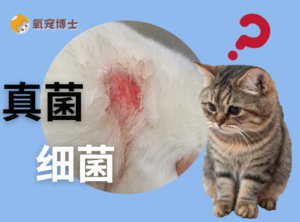
Cat Skin Redness and Hair Loss: Fungal or Bacterial?
A cat's skin normally carries small amounts of bacteria and fungi that only cause trouble when the skin barrier breaks. Fungal infection, usually Microsporum canis, shows as ring-shaped hair loss with a red raised edge and dry scales, and spreads slowly. Bacterial infection is usually secondary—after a scratch, bite, mite, or allergy—and appears as pustules and fast-growing ulcers. Telling them apart guides the right treatment.

Why Do Dogs Get Cavities?
The most common causes of dog cavities are poor diet and poor dental cleaning, with age and genetics also raising risk. Once found, a decayed tooth is usually extracted so it does not harm neighboring teeth, though mild cases may be filled and elderly dogs may keep the tooth if anesthesia is risky; follow your vet's advice. Prevention is key: healthy food, regular brushing, and routine dental checks keep the mouth sound.