Search Results
166 results for “safety”
Should You Put a Collar or Bell on Your Cat?
Collars spark debate among cat owners, and with good reason: they carry real risks, from neck constriction to trapped claws and skin irritation, while flea collars add toxin exposure. Yet a safe collar with an ID tag can bring a lost cat home. This guide weighs the risks and rewards and shares how to choose and fit a collar, plus the truth about bells and hearing.

Why Do Cats Vary So Much in Jumping Ability?
A cat's amazing leaps come from its unusual build: more bones and muscles than humans, with around 240 bones and over 500 muscles, plus long hind limbs and flexible joints that extend fully during a jump. Yet not every cat jumps well. Breed matters, with lazy types like Persians staying low while American Shorthairs are athletes, and so do body shape, weight, and condition. Obesity and weak constitution lower agility and raise diabetes and liver risks, and jumping fades with age as muscle and joints decline. Owners should not overestimate cats' abilities and should fit window guards to prevent falls from height.
How to Prevent Cat Diseases
Cats are vulnerable to illness, but not every disease is unavoidable. The best defense is a proactive daily routine that stops problems before they start. By keeping your cat clean, feeding a balanced professional diet, and staying consistent with vaccinations and parasite control, you dramatically lower the risk of common feline illnesses. This guide walks you through the three pillars of prevention so your cat stays healthy and your household stays safe.

How to Help a Rabbit Adjust to a New Home
Rabbits are sensitive, so moving to a new home can make them tense and unsettled. Before the move, prepare a warm, safe enclosure and place the rabbit's own toys, blanket, bedding, and water bowl there so it recognizes familiar scents. Once home, let the rabbit settle in with minimal noise and disturbance, then gradually introduce new people, sounds, and smells, starting with family members and widening the circle. Keep feeding and routines consistent, since stable daily life builds a sense of safety and trust. Patience, not speed, is what helps a rabbit feel at home.
Why Does My Cat Attack Me?
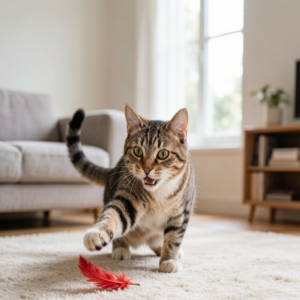
A cat that attacks its owner is often reacting to misunderstood play or training. Using hands or feet to play can teach a cat to treat body parts as prey, triggering its hunting instinct to strike. To prevent this, never encourage such play and redirect with a wand toy. Attacks can also be a bid for attention, in which case ignoring the behavior works best. Kittens that bite usually missed socialization training, which teaches them how to interact with people. Other causes include fear-based defense, pain or illness, and redirected anger. Reading the context helps you respond safely.
Cat Stress Reactions and How to Ease Them
Stress is the most common feline behavior problem and a driver of many diseases. Triggers include new homes, vet or grooming visits, noise, household changes, and resource competition in multi-cat homes. Signs range from acute fear to chronic hiding, over-grooming, and aggression. Ease stress with a calm space, play, pheromones, and a vet check.

How to Tell If Your Rabbit Has Bonded With You
Rabbits may seem shy, but a bonded rabbit shows clear signs of attachment to its owner. Once a rabbit recognizes you as its trusted caretaker, it will actively approach you, nuzzle your hands or feet, lick your palm, lean into your touch, and follow you from room to room. It will relax under petting instead of fleeing, and may even learn to signal you with body language or soft sounds. Building this bond takes time and consistency. Offering food by hand, keeping a clean and comfortable enclosure, allowing supervised out-of-cage time, and simply spending calm, patient hours nearby all help a rabbit feel safe. With steady, gentle care, most rabbits move from fearful and withdrawn to openly affectionate, and you will feel the change in how they respond to you.
Can a 7-Year-Old Care for a Dog?
By age seven, children can grasp that dogs have feelings and need gentle care, but real responsibility takes maturity. Parents should weigh the cost, time, and long-term commitment (dogs can live 18 years), then ask the child honest questions about why they want a dog and the daily duties. Teach kids the 'be a tree' stance against aggressive strange dogs.
How to Tell If Your Dog Has an Eye Problem
Eye trouble shows as constant cloudy tears, hardened gunk, rubbing or bumping the eye, swollen or red lids, bulging (glaucoma), white clouding (cataracts), or entropion/ectropion. Clean with pet eye drops and wipes daily; correct lids and cornea with vet care. Flat-faced and loose-skinned breeds need extra caution.

The Secret Behind Why Cats Knead
Kneading is a habit cats form as nursing kittens, pressing the mother's belly to draw milk while feeling warm and safe. Many keep it into adulthood as a way to communicate comfort and affection. There's even an evolutionary angle: scent glands in the paws release pheromones during kneading that signal bonding and can calm aggression. When your cat kneads you, stay quiet, don't grab the tail, and let it express its love. This article uncovers the reasons and the gentle way to respond.