Search Results
166 results for “safety”

Don’t Fall for These Winter Dog-Warming Myths
Dogs have their own natural cold tolerance, so piling on clothes, adding heated beds, or over-bathing in winter can do more harm than good. Dress only the most vulnerable puppies, skip the heating pad, and bathe no more than about every two weeks with a dog-safe shampoo.

What If My Cat Licks the Dewormer?
If a cat licks a topical dewormer, contact a vet promptly — an Elizabethan collar after application stops licking. Dose strictly by weight, never add product to bath water, skip organophosphate flea collars, and watch stool and mood for 1–2 days.

Late-Stage Distemper Seizures: How Long Can a Dog Survive?
When distemper reaches the late stage with seizures, mortality is very high — most dogs die within about a week. The virus spreads by contact and air, hits puppies hardest, and does not infect people. Vaccination is the only reliable protection.
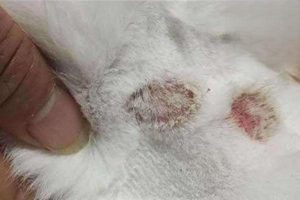
How Long Does Ringworm Take to Heal in a Kitten
Ringworm is a fungal, contagious skin infection that shows up most often in underweight or weak kittens. With isolation, medicated care, and good nutrition, mild cases typically clear in a few weeks, but treatment must continue until the infection is fully gone.

Why Does My Dog Keep Vomiting?
Frequent vomiting in dogs usually points to gastroenteritis, parasites, or heatstroke rather than a one-off upset. Match the pattern to the cause, keep up with deworming and summer safety, and treat persistent vomiting with blood or diarrhea as an emergency.

Why Your Dog Passes Live Worms After Deworming
Passing live worms after deworming means the job isn't done — a second or third dose is needed. Worms enter through dirty water, food, and walks, so deworm on schedule, follow the dose by weight, and space treatments 15+ days apart.
- « Previous
- 1
- …
- 15
- 16
- 17