Search Results
772 results for “routine”

What to Know Before Your Pet’s Surgery
First-time surgery owners can feel lost. Routine procedures (spay/neuter, dental) can be booked by phone; pathological ones (lump removal, fracture, pyometra) need an exam first. Fast 8 hours (6 for young animals) and withhold water 2–3 hours, and avoid scheduling during heat.

Why Dogs Bark at Nothing
A dog barking at an empty corner may be sensing what we cannot — its vision spans a wider spectrum and may even detect magnetic fields. More often it is guarding instinct, a bid for attention, or plain curiosity, and reading the tone and body language tells you which.

Common Causes of Hair Loss in Cats
Some shedding is normal — seasonal coats and diet — but sudden or patchy hair loss can signal endocrine disorder, fungal infection, or parasites. Match the pattern to the cause and see a vet for anything beyond routine shedding.

Can Cleaning a Cat’s Ears with Cotton Swabs Make Infection Worse?
A cat's L-shaped ear canal means cotton swabs can't reach deep wax and may pack debris inward or injure the eardrum. Clean with ear solution and let the cat shake it out, check ears often, and use a reliable parasite preventive.

Daily Cat Care Essentials
Routine cat care keeps small problems from becoming big ones: brush to prevent hairballs, clean the eyes and ears, trim the nails, and care for the teeth. Watch for parasites, ringworm, or wounds while you groom, and avoid fighting the cat's instincts.

Understanding Kidney Disease in Cats
Cats are built to conserve water, so chronic kidney disease is nearly universal in older cats and a leading cause of illness. Watch for early signs like increased drinking and urination, keep water and wet food available, and catch problems early with routine blood and urine tests.

Feline Stomatitis: Symptoms, Causes, and Treatment
Feline stomatitis is a blanket term for inflammation anywhere in the mouth, driven by anything from oral injuries and B-vitamin deficiency to calicivirus. Telltale signs are foul breath, red swollen gums, and drooling while eating — and because it is painful, a vet should evaluate any cat showing these signs promptly.

Why Dogs Chase Their Tails: Six Reasons Behind the Habit
Tail-chasing is rarely just a quirky game — it can mean boredom, a cry for attention, fleas or parasites, or an inflamed anal gland a dog cannot otherwise reach. In some dogs it becomes a compulsive loop, and a Husky may simply be being a Husky, but persistent spinning deserves a closer look.
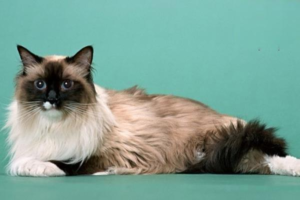
Why Your Cat Has No Appetite but Still Acts Normal
A cat that skips meals but stays bright is rarely sick — the usual culprits are a seasonal dip, treat-driven pickiness, heat, mood, or stale food, with oral disease the one to rule out by checking the gums. As long as the energy holds, fix the routine (set mealtimes, fewer snacks) and watch; a vet visit is only urgent if the spark fades too.

Caring for a Pregnant Cat: What Owners Should Do
A newly pregnant queen needs little beyond her normal routine and good nutrition; keep her active but avoid jumps in the final two weeks, and transition her to kitten food as her belly grows. About a week before delivery, set up a private, safe birthing space with a low-sided nest, nearby food and water, and a prepared breeding kit so you're ready for anything.